

Clinical examination training · 60000
Abdominal Examination Trainer

Practise abdominal assessment. Explore the anatomy beneath the skin.
Light skin tone · Interchangeable organs · Augmented reality
Product overview
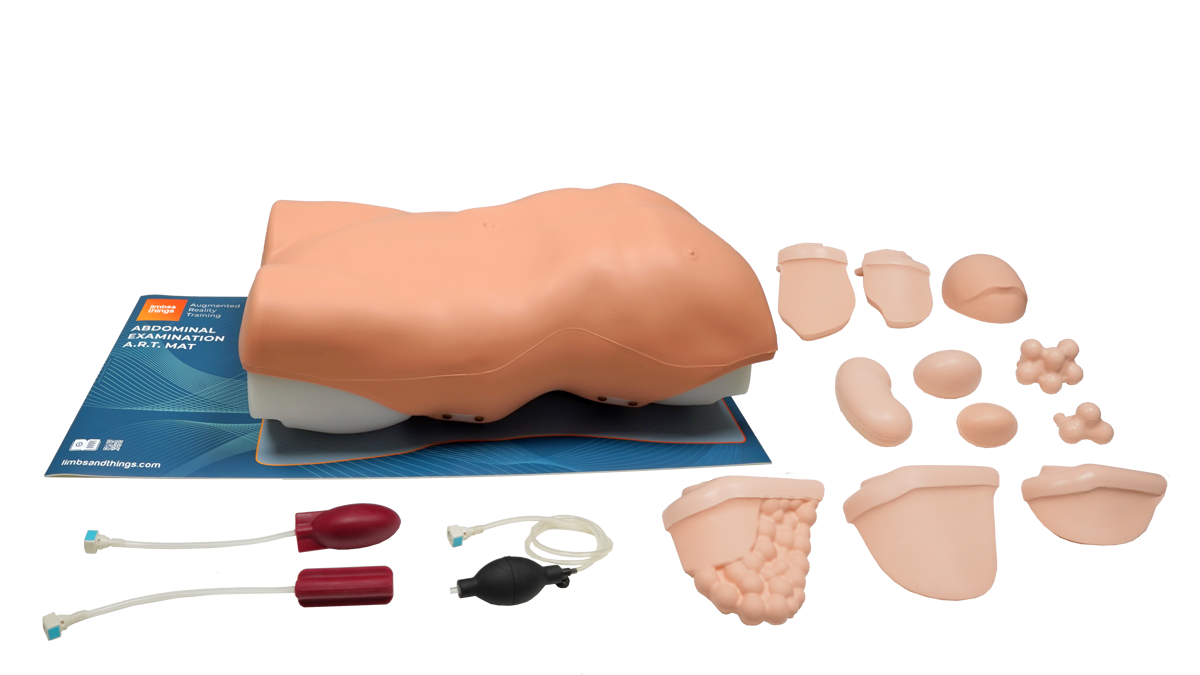
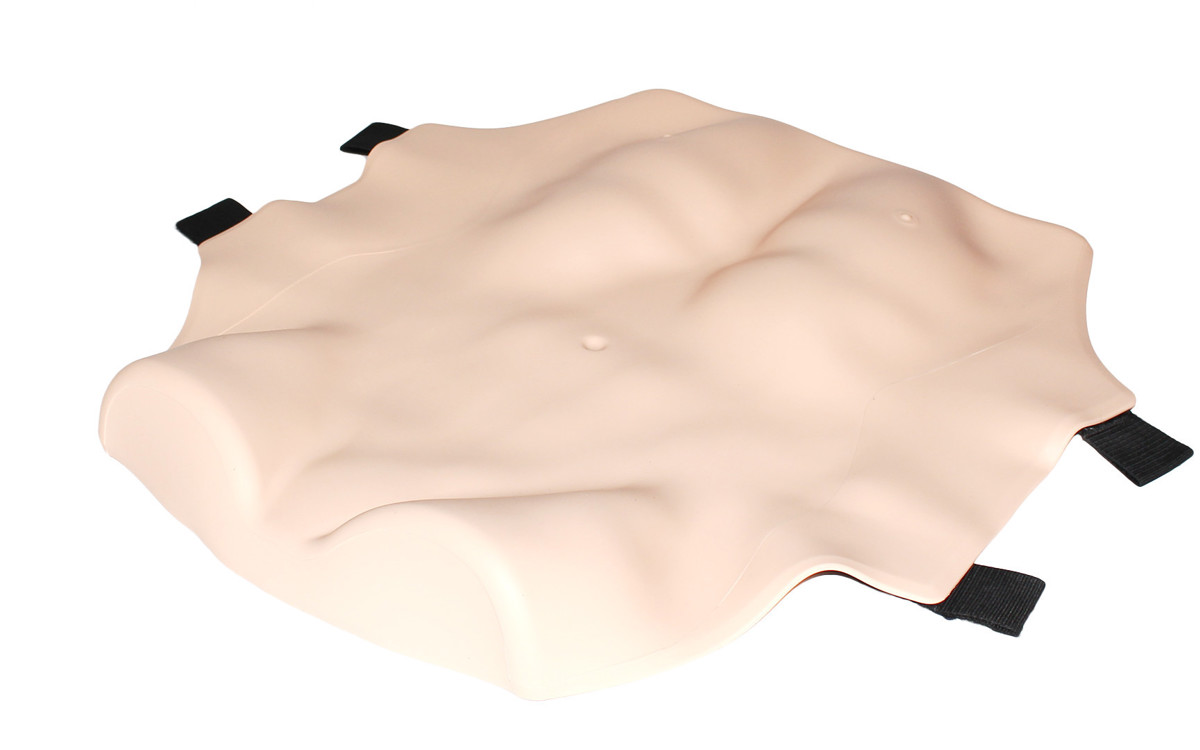
The Abdominal Examination Trainer represents an adult abdomen, pelvis and lower thorax, with palpable bony landmarks. It provides a repeatable setting for learning abdominal and gastrointestinal examination and for OSCE preparation and assessment.
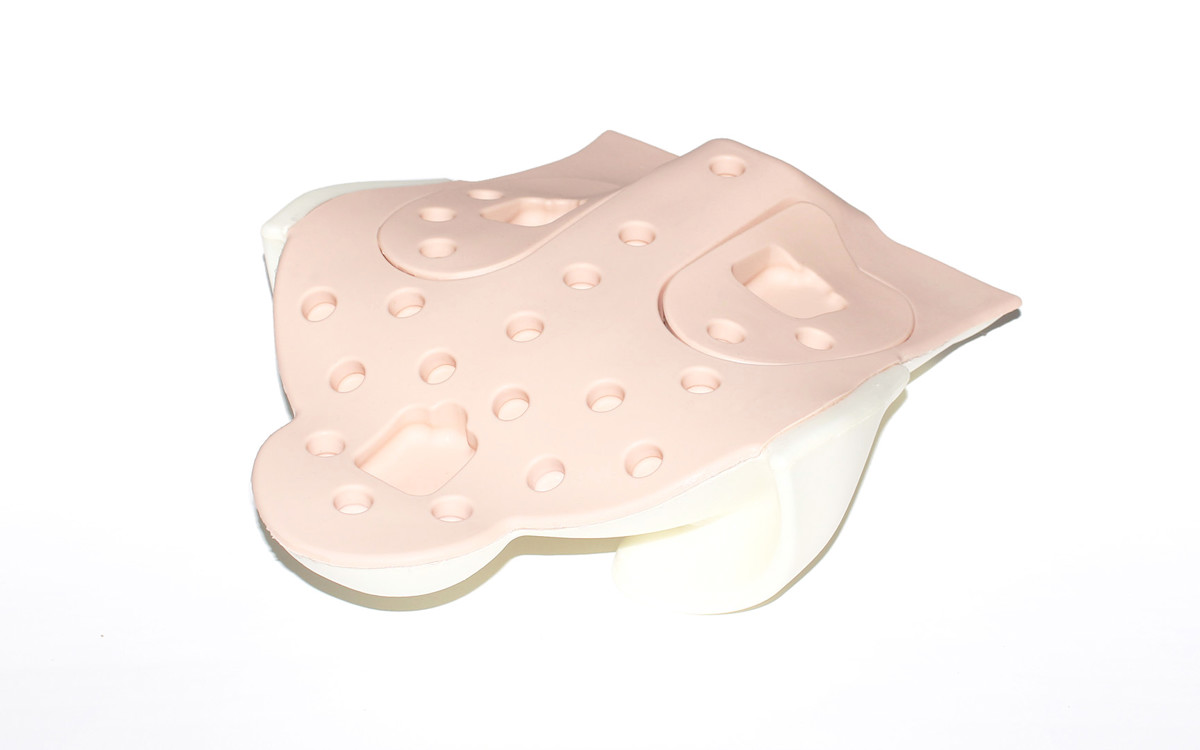
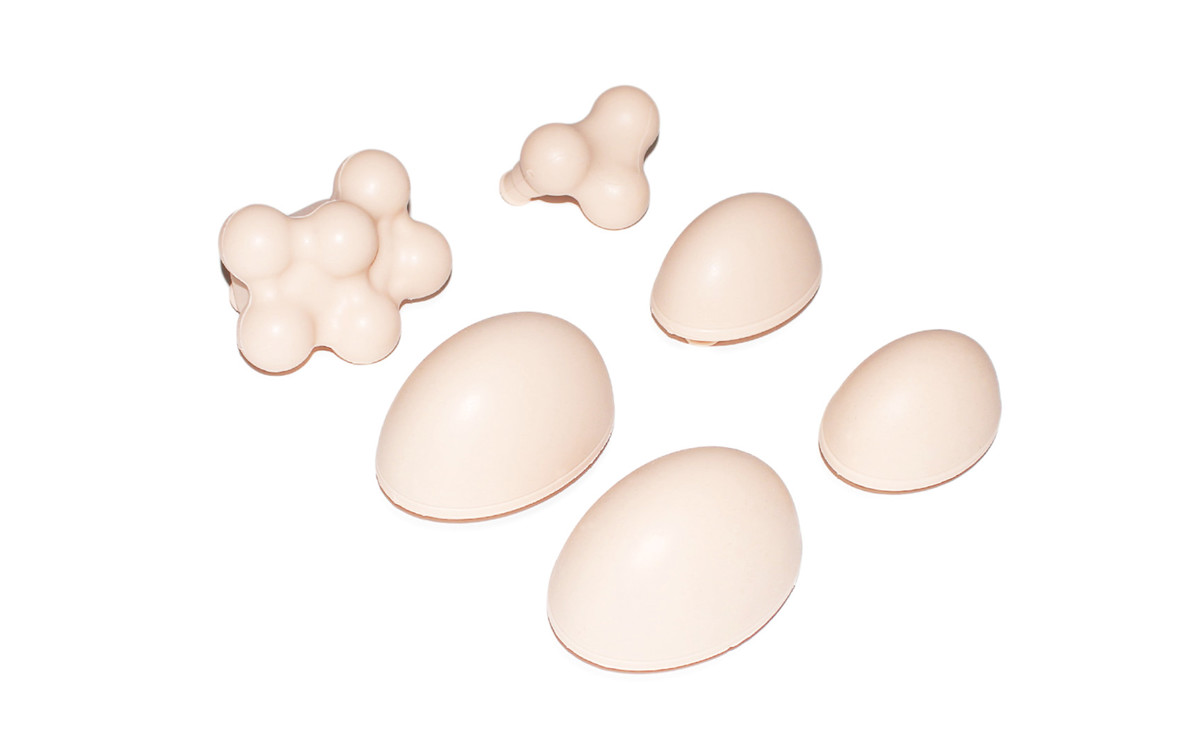
Learners practise palpation, percussion and auscultation. Interchangeable livers, spleens, aortas and tissue masses fit onto an organ locator, allowing instructors to vary the findings. Separate setups reproduce gaseous distension and ascites.
A built-in MP3 system and memory stick provide three pre-recorded sounds. Sound can be heard with a stethoscope at different abdominal locations.
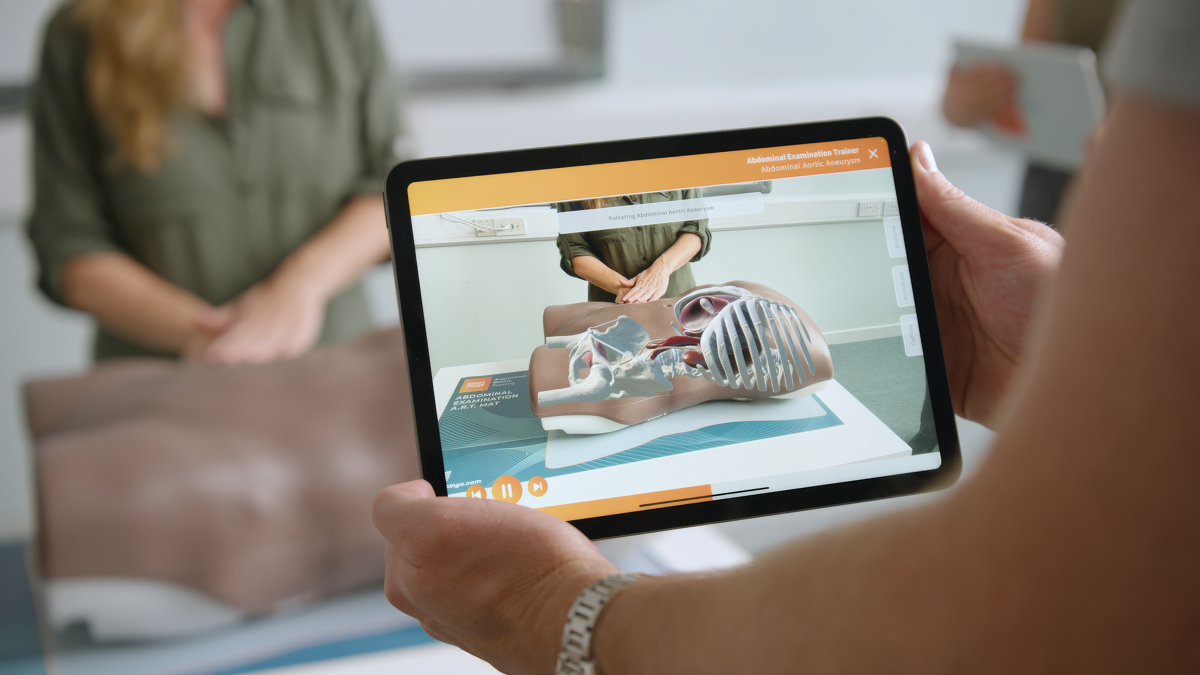
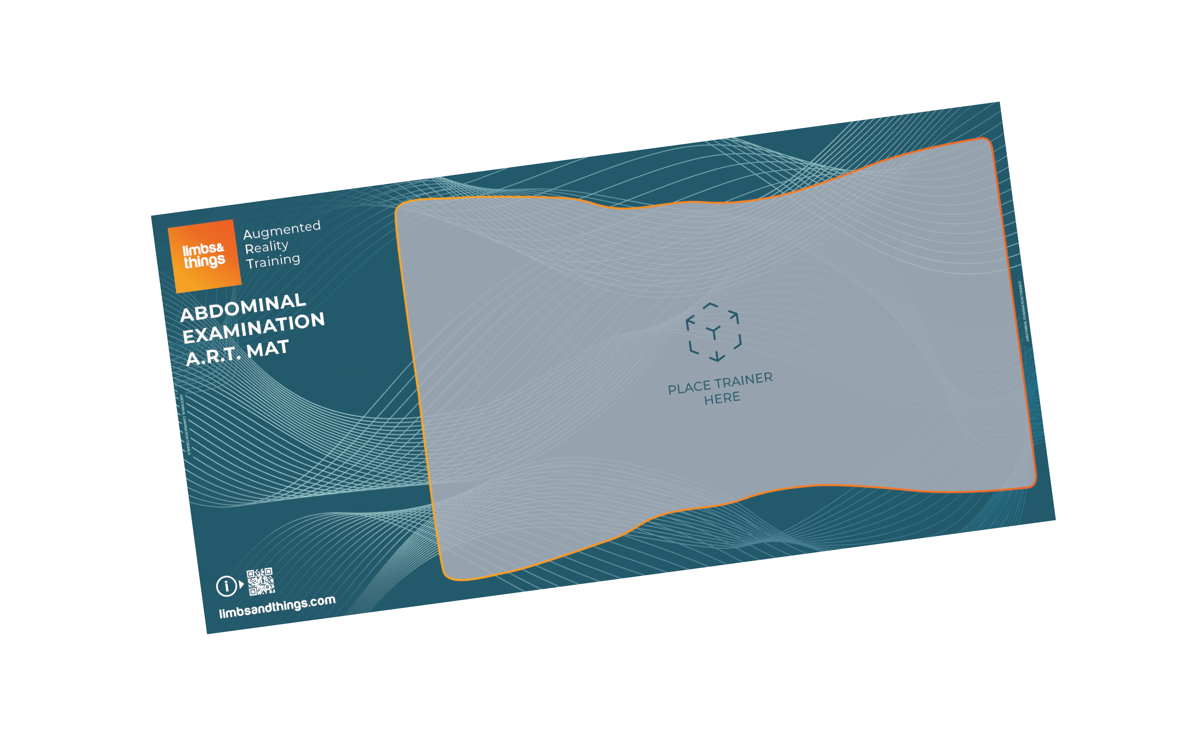
The included augmented reality mat works with the free L&T ART app. Based on MRI and CT data, the digital anatomy can be explored around the trainer in layers showing muscles, organs, vessels and the skeleton. Cross-sections and digital procedures help connect examination practice with the underlying anatomy and the effect of a procedure.
Product features
Change the findings, repeat the examination
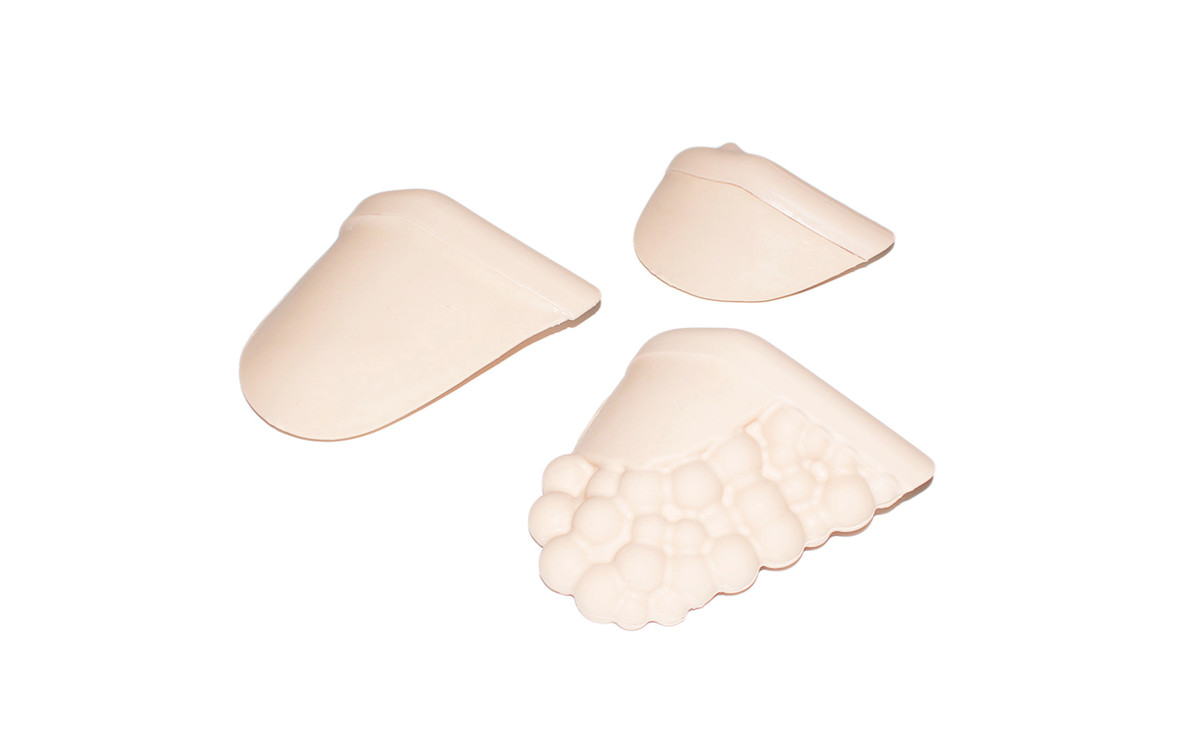
Switch between three livers, two spleens, enlarged kidneys, a distended bladder, two aortas and six masses. Liver and spleen movement can be varied to represent respiration.
Simulate fluid, gas and pulsation
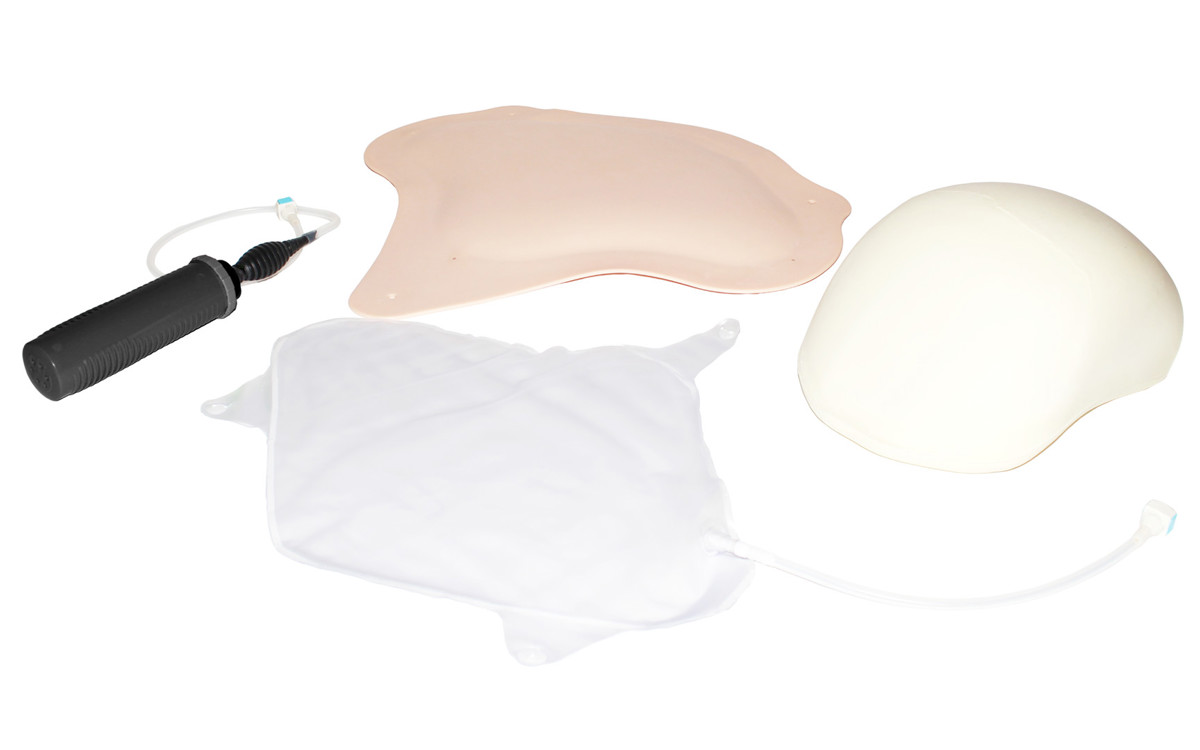
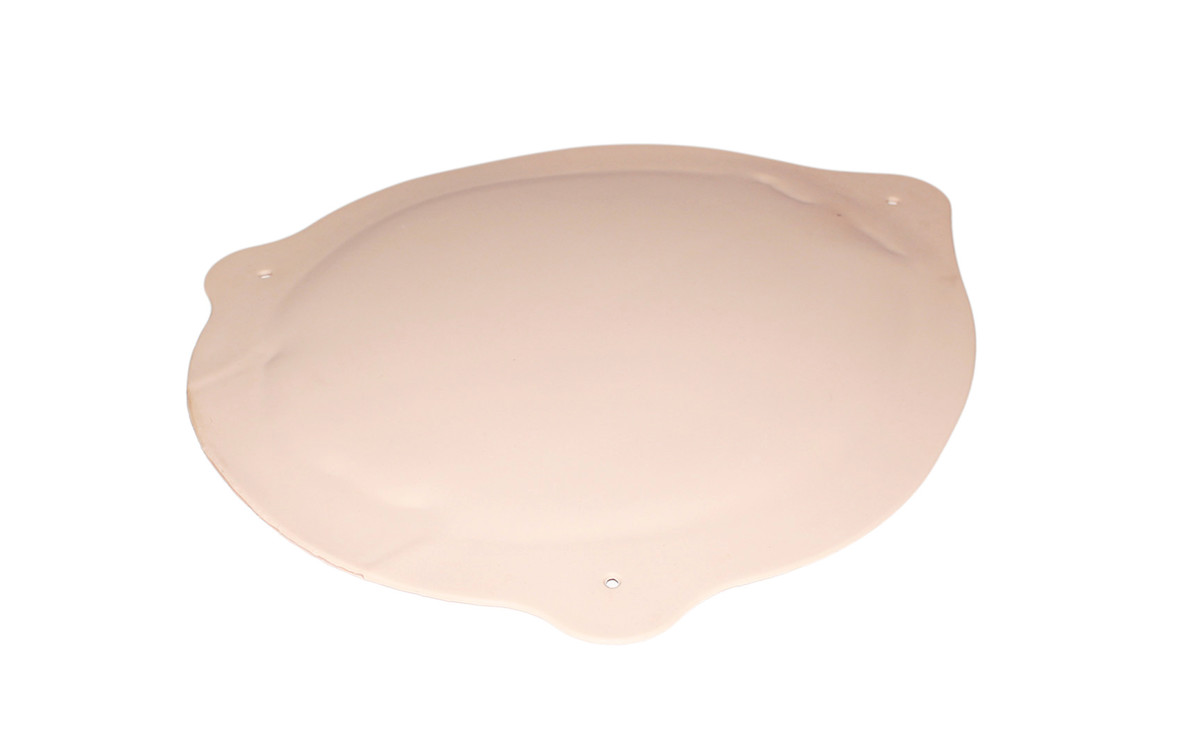
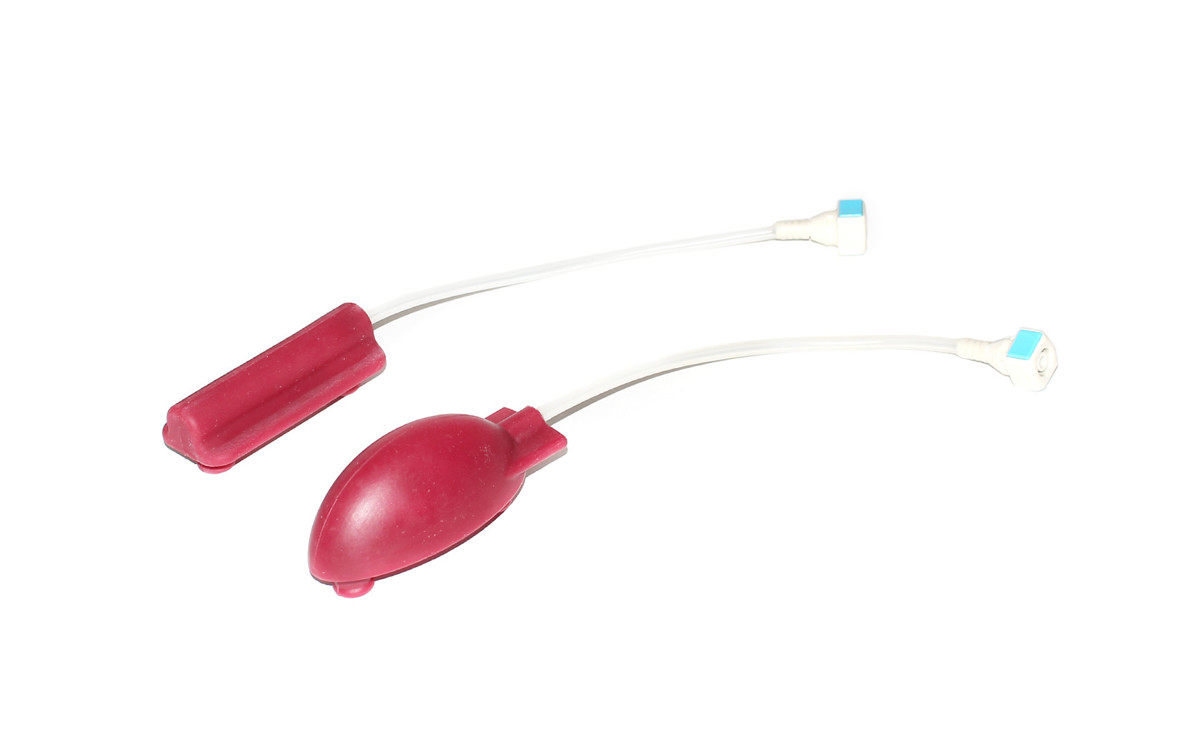
The distension set supports ascites and gaseous distension scenarios. Practise shifting dullness and fluid thrill; use the pulse bulb to simulate normal or aneurysmal aortic pulsation.
Connect touch with internal anatomy
The included AR mat and free app reveal anatomical layers and cross-sections. Built-in audio adds normal and abnormal bowel sounds and bruits, with adjustable volume.
Highlights
- Augmented reality training using the supplied mat and app.
- The instructor or simulated patient can vary respiratory movement of the liver and spleen.
- Three pre-recorded MP3 sounds are supplied on a memory stick for auscultation at different abdominal locations.
- Bowel-sound volume can be adjusted to vary the listening task.
- The distension set supports ascites assessment by percussion, shifting dullness and fluid thrill, and bowel-obstruction simulation by percussion and auscultation.
- A pulse bulb produces normal or aneurysmal aortic pulsation.
Realism
- Normal and abnormal organ configurations provide different findings on palpation and percussion.
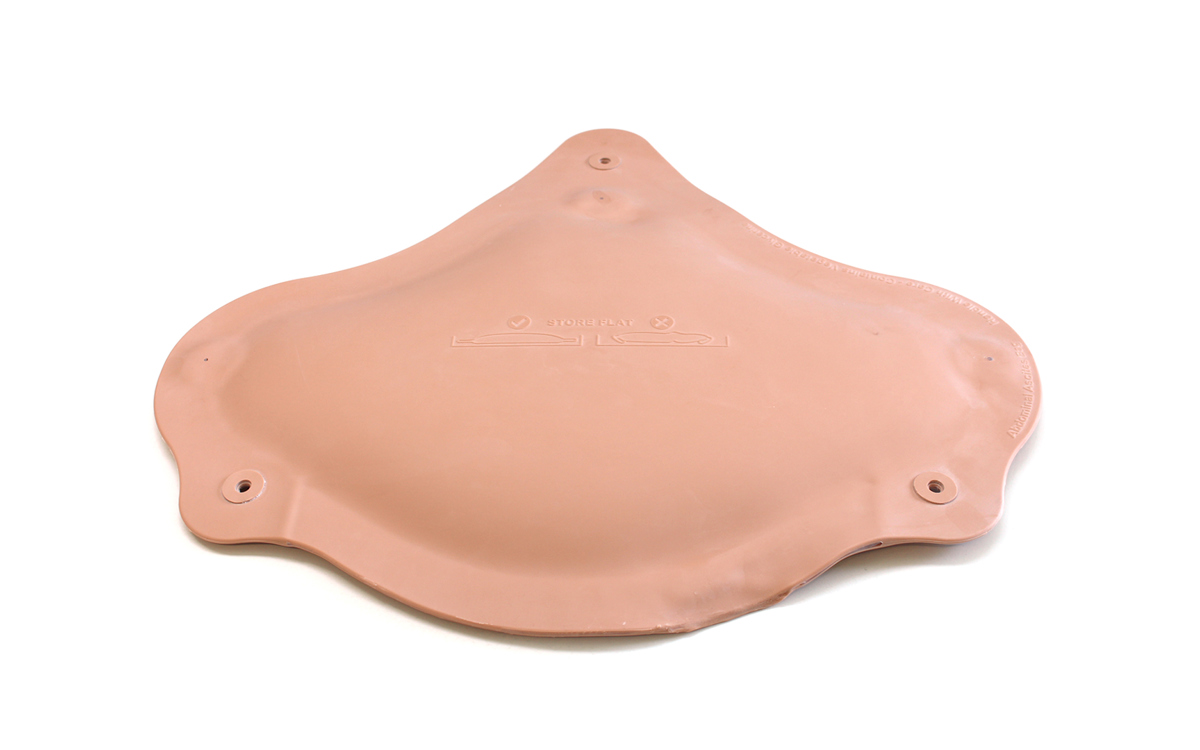
- The abdominal skin accommodates fluid and gas distension.
- Enlarged kidneys allow realistic ballottement practice.
Versatility
- Remove the abdominal skin to change the organs quickly.
- Use on a benchtop or together with a simulated patient.
- Roll the model onto its side for ascites examination and shifting dullness.
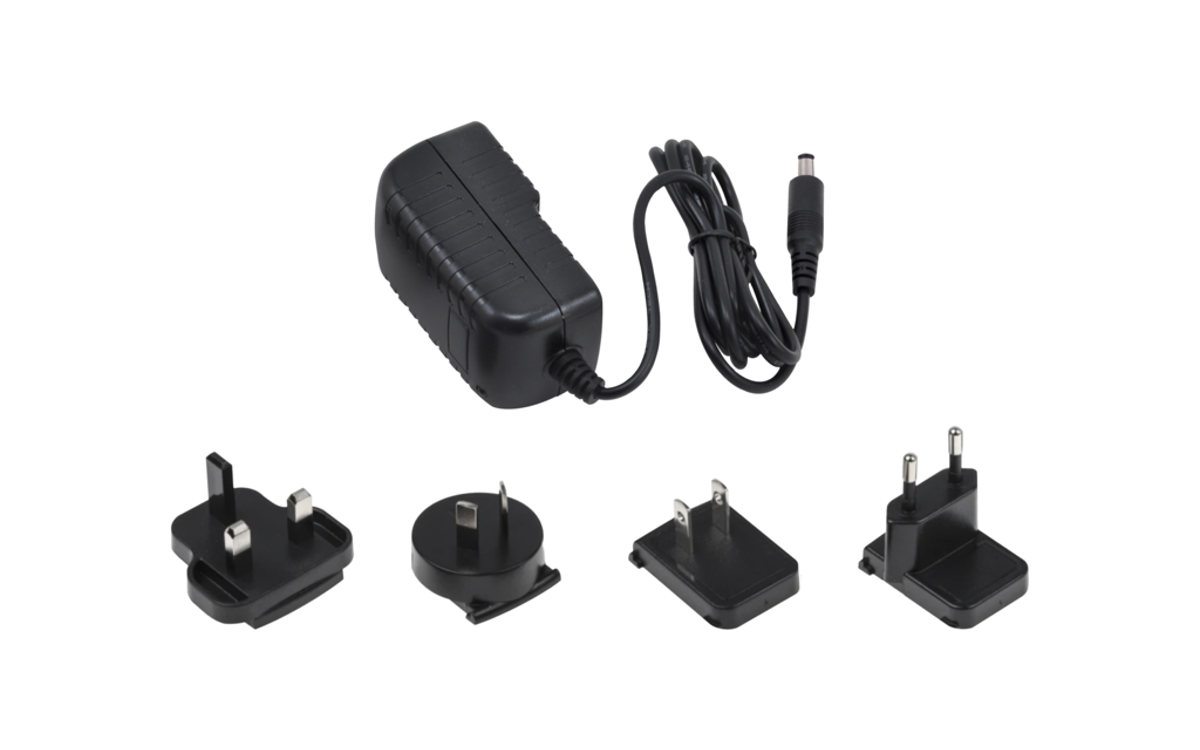
- Run from the mains supply or AA batteries.
Anatomy
- Adult torso: abdomen, pelvis and lower thorax, with a representation of the lower thoracic and lumbar spine.
- Landmarks: ribs, costal margin, xiphisternum, pubic crest and anterior superior iliac spines.
- Three livers: slightly enlarged; enlarged with a smooth edge; enlarged with an irregular edge.
- Two spleens: slightly enlarged and markedly enlarged.
- Two enlarged kidneys and a distended bladder.
- Two aortas: normal and aneurysmal.
- Six abdominal masses: four smooth masses and two irregular hard masses.
- Distension components: ascites bag, gaseous distension bag, pump and foam insert.
Cleaning
- Wipe the skin with a soft damp cloth and mild detergent.
Safety
- Latex-free product.
- The supplier states that the model weight is within its male and female health-and-safety limits for lifting to chest height. Use the supplied guide for handling and transport precautions.
- If the ascites bag splits, wipe down all affected components before resuming use.
Weight & dimensions
Two shipping boxes, each 66 cm long × 31 cm wide × 51.1 cm high. Box 1 weighs 14.97 kg; box 2 weighs 14.51 kg. These are packaging measurements, not unpacked trainer dimensions.
Skills gained
- Identify the abdominal regions and underlying adult anatomy.
- Practise abdominal palpation, auscultation and percussion.
- Recognise and distinguish abnormal organs and pathological findings.
- Assess ascites using shifting dullness and fluid thrill.
- Identify gaseous distension and bowel obstruction.
- Practise ballottement of the kidneys.
- Develop professional patient communication when working with a simulated patient.
Skin-tone options
60000: Light skin tone — shown here.
60054: Dark skin tone — view this option ↗.
What’s included
The component links below reproduce the contents listed in the original product tab. Open each link for that component’s original product article.
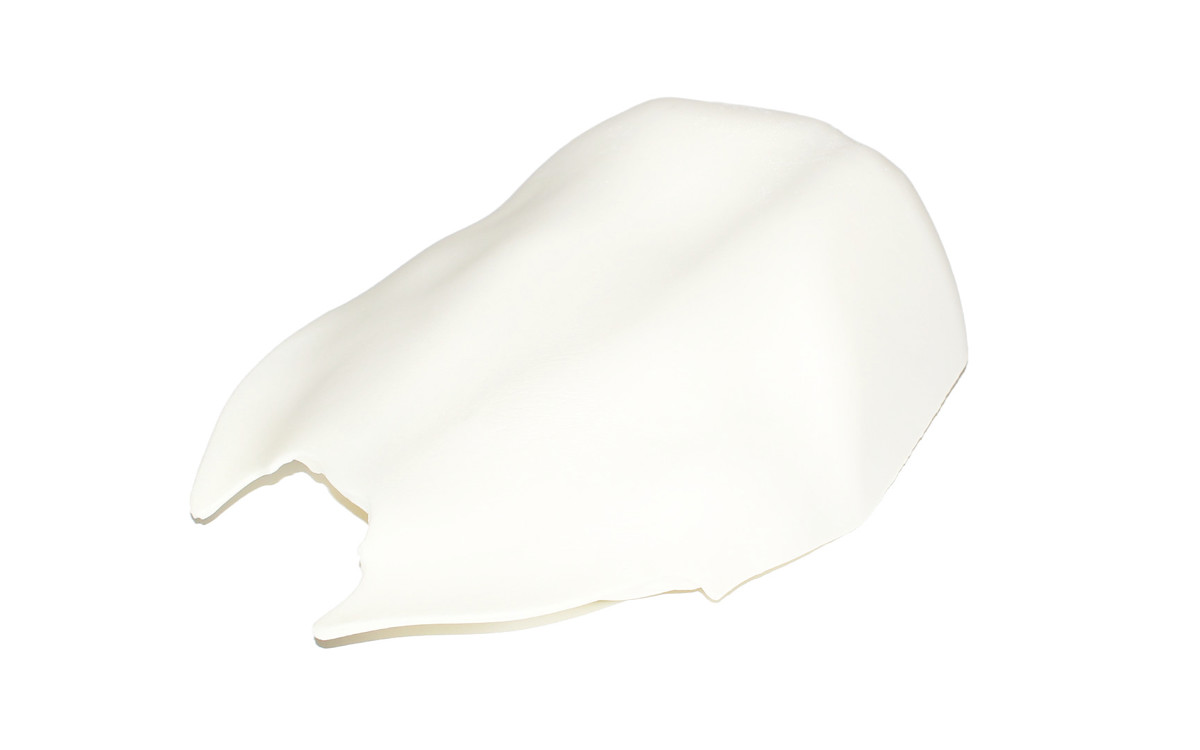

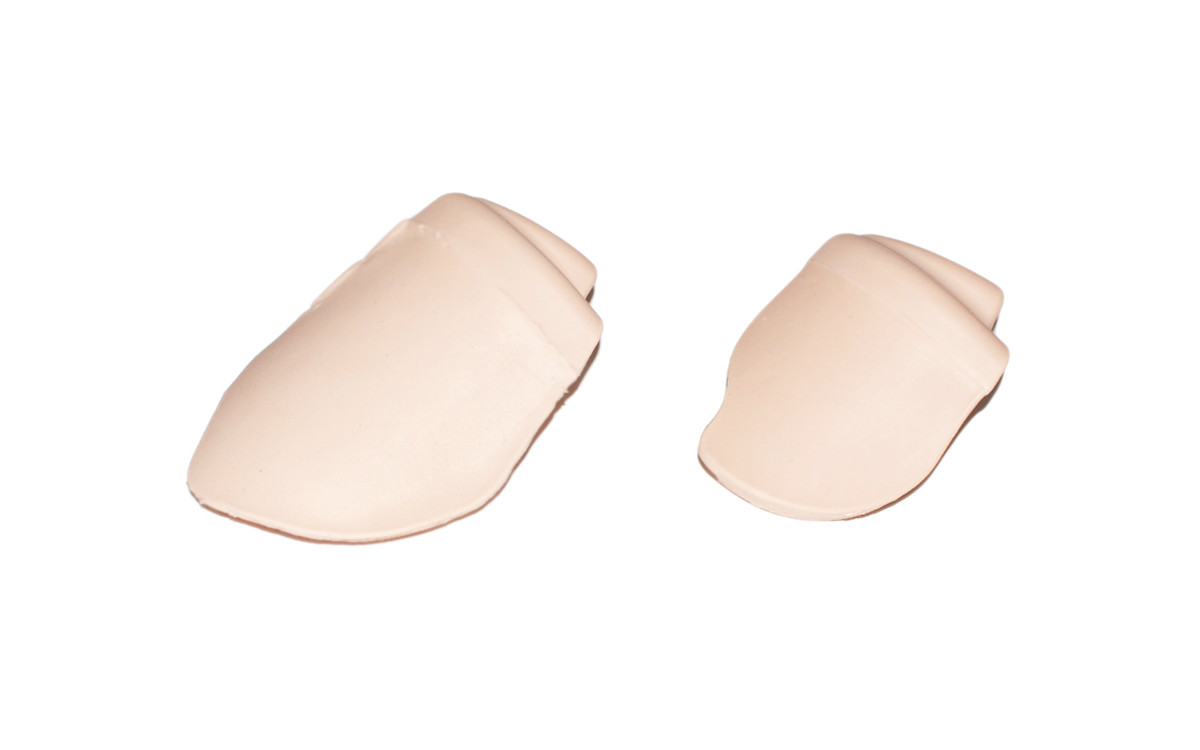
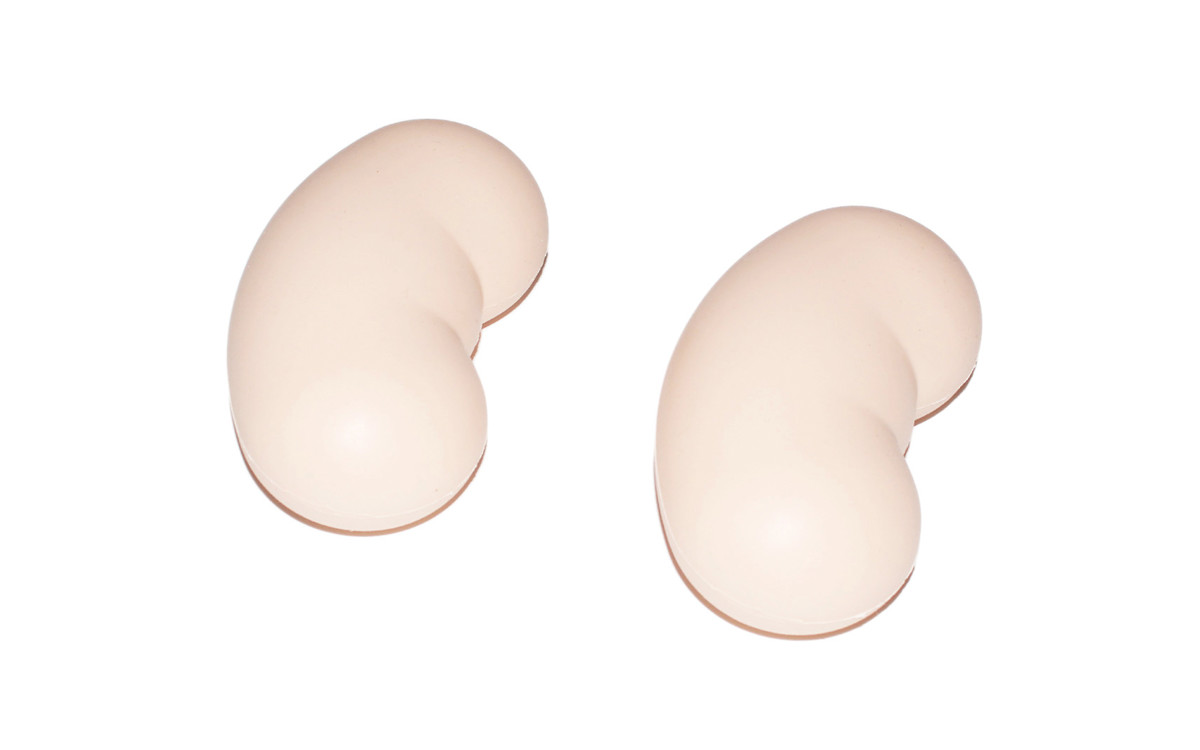
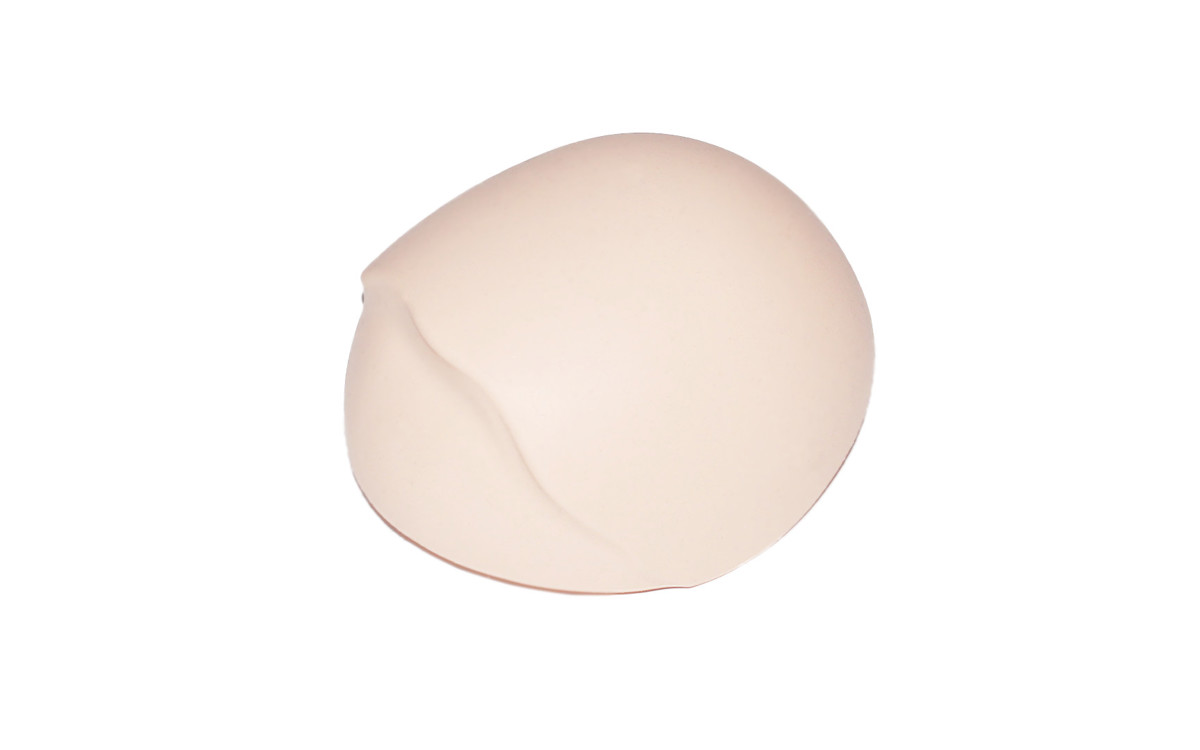
Additional supplied equipment
The English user guide also lists the base unit, four AA batteries and two carry cases. The ascites bag is part of the distension setup; its separate component link above does not indicate a second bag.
Weight & dimensions
Box 1: 14.97 kg. Box 2: 14.51 kg. Both boxes: 66 × 31 × 51.1 cm (length × width × height).
Works with
The supplier lists the following compatible training accessory. The AR mat is also included with this trainer.
Curriculum references
Curriculum references and learning areas identified in the original product article are listed below. Edition dates are retained as cited by the supplier; they do not indicate a review against the latest curricula.
Postgraduate Nursing — NONPF
Nurse Practitioner Core Competencies Content (2017), Independent Practice, p.14, 3.b–3.c. Advanced assessment distinguishes normal findings, normal variation and abnormality; screening and diagnostic strategies contribute to diagnosis.
Surgery — SCORE
Curriculum Outline for General Surgery (2017–18), p.6, Category 1, and p.9, Category 4. Relevant topics: acute and chronic abdominal pain, ascites, spontaneous bacterial peritonitis, peritoneal carcinomatosis and evaluation of hepatic masses.
Paramedic — NASEMSO
National Model EMS Clinical Guidelines, September 2017, version 2.0, p.48. Abdominal-pain assessment includes rebound tenderness, guarding, distension, tympany on percussion, focal tenderness in a quadrant and a pulsatile abdominal mass.
Undergraduate Medicine — AAMC
Recommendations for Preclerkship Clinical Skills Education (2008), Appendix 5, p.26. Describe findings; perform light and deep palpation; test for peritoneal irritation; assess liver span; palpate liver and spleen; demonstrate detection of ascites.
Postgraduate Junior Doctors — CPMEC
Australian Curriculum Framework for Junior Doctors, version 3.1 (2012), p.7. Perform a comprehensive systems examination, elicit signs and symptoms relevant to the presentation, and distinguish possible differential diagnoses.
Specialist GP Trainees — RACGP
Curriculum for Australian General Practice (2016), CS16 Core Skills, p.23, CS2.2.2.2a/2b/3b/5a. Examine respectfully and appropriately, use clinical tools effectively, summarise findings and recognise discrepancies between the history and examination.
Paramedics — Paramedics Australasia
Australasian Competency Standards for Paramedics (2011), p.9, 2.a.2. Choose appropriate assessment methods and conduct a focused examination suited to the chief complaint and medical history.
Undergraduate Medicine — Medical Deans
Clinical Assessment Blueprints for the Medical Graduate, items 4–5. Perform an appropriate organ- or system-focused examination and integrate its findings into diagnosis and differential diagnosis.
Physician Associate
Competence and Curriculum Framework for the Physician Assistant (2012), pp.12 and 23, 2.3.5. Tailor examination, including abdominal examination, to the patient and clinical situation. Relevant presentations include abdominal distension with gastrointestinal disturbance, vomiting or altered bowel habit, abdominal masses and abdominal pain.
Core Medical Training
Specialty Training Curriculum for Core Medical Training (2013), pp.51 and 77. Assess abdominal pain, masses, swelling and distension; elicit and interpret tenderness, guarding and rebound tenderness to formulate a differential diagnosis.
Postgraduate FY1/FY2
UK Foundation Programme Curriculum (2016), p.9, FPC 11. Combine history-taking and examination with a differential diagnosis and management plan.
Obstetric Training — RCOG
Core Curriculum, Core Module 1: Clinical Skills. Perform targeted, valid and time-efficient examinations appropriate to presentation and risk factors, including non-pregnant abdominal examination.
General Surgery Training
Intercollegiate Surgical Curriculum, General Surgery (2016), p.49, section 3. Assess and provide early care for acute abdominal presentations, including localised or generalised peritonitis, obstruction from small or large bowel disease, obstructed herniae, adhesions or colonic carcinoma, and local pain such as biliary colic or non-specific abdominal pain.
Paramedics — College of Paramedics / UK Ambulance
Paramedic Curriculum Guidance, third edition revised (2015), p.25, C 1.6.5: thorough examination using skills appropriate to clinical reasoning and differential diagnosis across age groups. The supplier also cites UK Ambulance Service Clinical Practice Guidelines (2006): assess all four abdominal quadrants for tenderness and guarding and listen for bowel sounds.
Undergraduate Medicine — GMC
Outcomes for Graduates (2018), p.16, 14b. Perform safe, sensitive examination; interpret findings; combine history, physical and mental-state examination and investigations to propose underlying causes or pathology.
Postgraduate Nursing — RCN
Competencies for Advanced Nurse Practitioners (2012), p.4. Use advanced nursing knowledge and clinical skills, including examination, to assess people with undifferentiated or undiagnosed health needs.
GP Training — RCGP
Online Curriculum 3.13. Manage first-contact digestive presentations; interpret dyspepsia and abdominal pain; use a systematic approach to investigating common digestive symptoms.
Specifications
| Product code | 60000 |
|---|---|
| Skin tone | Light |
| Power | Supplied 5 V DC adaptor or four AA batteries |
| Material information | Latex free |
| Shipping box 1 | 66 × 31 × 51.1 cm (L × W × H); 14.97 kg |
| Shipping box 2 | 66 × 31 × 51.1 cm (L × W × H); 14.51 kg |
Dimensions and weights above are for shipping boxes, not the unpacked torso.
Product Downloads
User guide — English (PDF, 3.2 MB) ↗
User guide — Chinese (PDF, 4 MB) ↗
Product brochure — English (PDF, 1.2 MB) ↗
Product brochure — Spanish (PDF, 767.6 KB) ↗
Product brochure — German (PDF, 769.6 KB) ↗
Product brochure — French (PDF, 914.8 KB) ↗
Frequently asked questions
What is the simulator used for?
Practise abdominal or gastrointestinal assessment. Changing the organs and masses creates different combinations of findings for recognising gastrointestinal pathology.
Which skills can be learned?
Develop familiarity with abdominal regions and anatomy, assess ascites by shifting dullness and fluid thrill, identify gas distension and bowel obstruction, and practise kidney ballottement. The trainer supports OSCE preparation and assessment.
Which scenarios can be set up?
Configurations include carcinoma or a mass in the left iliac fossa, liver metastasis, lymphoma, aortic aneurysm, acute urinary retention, ovarian cyst and enlarged kidneys.
How is it powered?
Use the supplied mains power cable, or four AA batteries when a mains supply is unavailable.
Can additional sounds be added?
Yes. The MP3 player has an SD slot for recorded or downloaded sounds. An SD card is not supplied. Preset recordings include normal and abnormal bowel sounds and aortic bruits. The English user guide also describes adding MP3 files using the supplied USB.
What fluid is in the ascites bag?
The bag contains food-grade glycerine to give the abdominal fluid simulation an appropriate feel.
Why has the distension foam changed colour?
UV exposure can darken the foam over time. This colour change does not affect its function.
How can kinks in the gas-bag air tube be prevented?
Position the air inlet tube underneath the gaseous distension bag and beneath the distension foam.
Are replacement parts available?
The supplier offers replacements for the trainer’s major parts. The component links in “What’s included” lead to the corresponding original product pages.
Plan your abdominal examination training
Contact Survival Technology to discuss the trainer and your teaching requirements.