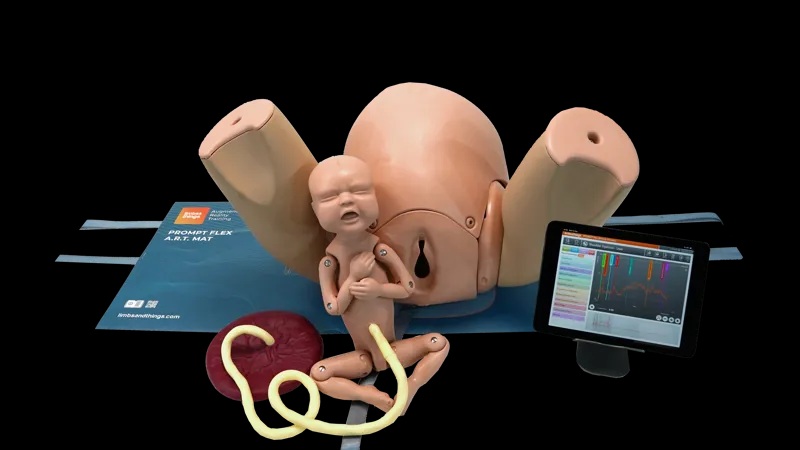
The Advanced PROMPT Flex Birthing Simulator is the ideal hybrid training solution. Quick and easy to set up out of the box for classroom training, or secured to a bed for more realistic bedside scenarios.
Anatomically correct, the birthing mother and baby are designed to allow for multiple true-to-life training scenarios. In addition to the Standard PROMPT Flex’s functionality, the baby included with this model is equipped with Force Monitoring software.
During labour and delivery, force exerted on the baby can result in brachial plexus injury during shoulder dystocia. The Force Monitoring Baby measures the force applied by trainees during drills. Using the birthing simulator’s software, instructors can record actions taken, interventions made, and the length of time to deliver the baby, providing insights into students’ skills.
Meter Mode in the Force Monitoring software allows trainees valuable practice, giving familiarity with the feel of safe and excessive force before encountering a real obstetric emergency.
Please note: PROMPT software is only supported on iOS and Windows devices.
Bluetooth enabled baby allows for Force Monitoring with a scenario-based software (downloadable from the website)
Drills run with the software can be recorded for later review
Comes with wheeled carry case for safe storage and transportation
The PROMPT Flex Range can offer a complete training solution for birth management
Realism
Gynaecoid shape pelvis with soft, flexible birth canal, dilatable cervix and pelvic floor musculature provides realism in normal and complicated births
Baby model represents a full term infant in weight and size, allowing for realistic handling
Force Monitoring software allows trainees to accurately learn the safe amount of force that can be administered during delivery
Versatility
Birthing Mother:
Stand alone or hybrid use, 3 straps are supplied to secure PROMPT simulator for bench top or bed mounting
Articulated thighs help to demonstrate Gaskin and McRobert’s procedures
Handle on the base of the mannikin for operator use during labor simulation
Can be used with additional modules to extend training simulations
Baby
Improved articulation of the joints offers enhanced realism for difficult birthing scenarios, such as shoulder dystocia
Please note: PROMPT software is only supported on iOS and Windows devices
User definable text in the software allows for intervention and birthing scenario names to be edited into the user’s native language
Anatomy
Anatomy of the PROMPT Birthing Mother:
Birth canal and cervix
Ischial spines and pubic bone
Gynaecoid pelvis
Articulating Thighs, with injection pad
Abdomen
Anatomy of the PROMPT Baby:
Umbilical cord and placenta (detachable)
Clavicles
Suture lines and fontanelles
Simulated Patient
The PROMPT Flex range offers multiple scenarios that can include patient simulation training
Cleaning
Clean off excess lubricant from all mother and baby surfaces
Wipe the product with a damp soft cloth, warm water and mild detergent
NOTE: Force Monitoring Baby module contains electronics and should not be immersed in water when cleaning
Allow the birthing trainer and its components to dry before storing
Safety
This product is latex free
A poorly lubricated baby or placenta may damage the birth canal or cervix when pushed through during a procedure
We recommend lubricating the cervix, birth canal and baby before each birth
We recommend using Limbs & Things lubricant, non-recommended fluid products may weaken or damage the trainer
Wear gloves at all times, and remove all sharp objects. Sharp surfaces (such as fingernails and rings) can lead to silicone damage
Force Monitoring Baby contains electronic components, do not immerse in water
EC Declaration of Conformity, in accordance with ISO IEC 17050-1:2010
UKCA Declaration of Conformity, in accordance with UK Government Guidance
FCC Declaration of Conformity, in accordance with standard 47CFR:2008 Part 15, Sub Part C, clauses 15.207 & 15.209
Skills
Skills Gained
Training and practice in the following types of birth:
Normal
Vaginal breech birth
Shoulder dystocia with force feedback*
Vaginal assisted (forceps and vacuum devices)
Third stage of labour
Cord prolapse
Urinary catheter placement
IM injection Communication and teamwork skills
*Force feedback is unique to this model and not available on the PROMPT Flex Standard
Comparison
Product Model
Skills
Adv
Std
Training and practice in the following types of birth:
Curriculum references and learning areas listed for this product. Edition dates are retained from the supplier’s references.
Family Medicine
AAFP Residency Guidelines, Maternity Care (p.9): Shoulder dystocia: understand risk factors, prevention, recognition, and management using ALSO protocols; Assisted deliveries: understand indications for and appropriate use and application of a vacuum extractor; understand indications for forceps
Paramedic
National Association of State EMS Officials: National Model EMS Clinical Guidelines (page 146, 2016 – update 2018) Childbirth: Recognize imminent birth; assist with uncomplicated delivery situations; recognize complicated delivery situations; apply appropriate techniques when delivery complications exist; Shoulder Dystocia, Prolapsed Umbilical Cord, Breech Birth, Postpartum Hemorrhage
Obstetric Training
ACGME, ABOG & ACOG Milestones project – The Obstetrics and Gynecology Milestones (2013) Obstetrical Technical Skills – Patient Care level 2 – Performs basic obstetrical skills, including spontaneous vaginal delivery Level 4 – Perfroms complex obstetical procedures, including operative vaginal delivery, breech vaginal delivery
OB/GYNAE
RANZCOG Curriculum, 3rd Ed. (Nov. 2017) Safely manage and conduct all obstetric procedures involved in intrapartum care when appropriate after consideration of indications, contraindications, technique and potential complications, including a detailed knowledge of the following procedures: Spontaneous vaginal birth; Management of cord prolapse; Vaginal breech birth; Instrumental vaginal birth, including safe and appropriate vacuum and forceps deliveries including instrumental delivery Shoulder dystocia management
Clinical Skills Development Service – MEP Foundation
Maternity Education Program (MEP) Foundation is a one day simulation workshop designed for medical and midwifery staff who are new to working in a maternity clinical environment. The session provides an introduction to the clinical management of pregnant women throughout labour, birth and the postnatal period, and dealing with complications along the way. The day is broken down into: • interactive case discussion and management • skills stations with application into a simulated environment • supported debrief to enable learners to improve their knowledge for clinical practice
Clinical Skills Development Service – MEP Advanced
Maternity Education Program (MEP) Advanced is a one day simulation workshop designed for medical and midwifery staff who are currently working in a maternity clinical environment. The session explores pregnancy related issues, intrapartum complexities and postnatal complications through simulation and case studies. The day is broken down into: • refresher on Human Factors in health care, Crisis Resource Management (CRM) principles and graded assertiveness • skills stations associated with the simulations • several immersive simulations (with supportive debrief) to enable learners to improve their knowledge and skills
Obstetric Training
RCOG Core Curriculum (2013, updated 2016) – Core Module 11, Management of Delivery Learning outcomes: To understand and demonstrate appropriate knowledge, skills and attitudes in relation to management of delivery including: Normal delivery, Vacuum extraction, Forceps delivery, Shoulder dystocia, cord prolapse, Rotational assisted delivery, Vaginal breech. RCOG Operative Birth Simulation Training – ROBuST (2016) The ROBuST package has been developed to provide guidance and materials for local trainers to deliver operative vaginal birth training within their own regions. SCOTTIE (2006) The aim of the course is to provide participants with the knowledge and skills to respond appropriately to emergencies in pregnancy and childbirth. Indicative content: Obstetric haemorrhage, Shoulder dystocia, Breech. MOET (2017) To provide the knowledge, practical skills and procedures necessary to save the mother and fetus in life-threatening circumstances.
Undergraduate Nursing
The European Union and Article 40 (training of midwives) of Directive 2005/36/EU (Pre-registration midwifery): the student should personally carry out at least 40 deliveries…. including active participation with breech deliveries. Where this is not possible because of lack of breech deliveries practice may be in a simulated situation
Interventional Radiology
Interventional Radiology Specialty Training Curriculum, The Royal College of Radiologists, 2019. Postpartum haemorrhage
What does it mean when it says that the PROMPT birthing simulators are listed as being modular in design?
Both Standard and Advanced birthing simulators act as a base for the wider PROMPT Flex range. While both are suitable for basic obstetric training, they can support the additional modules that are designed to cover more complex obstetric procedures and enhance the training experience.
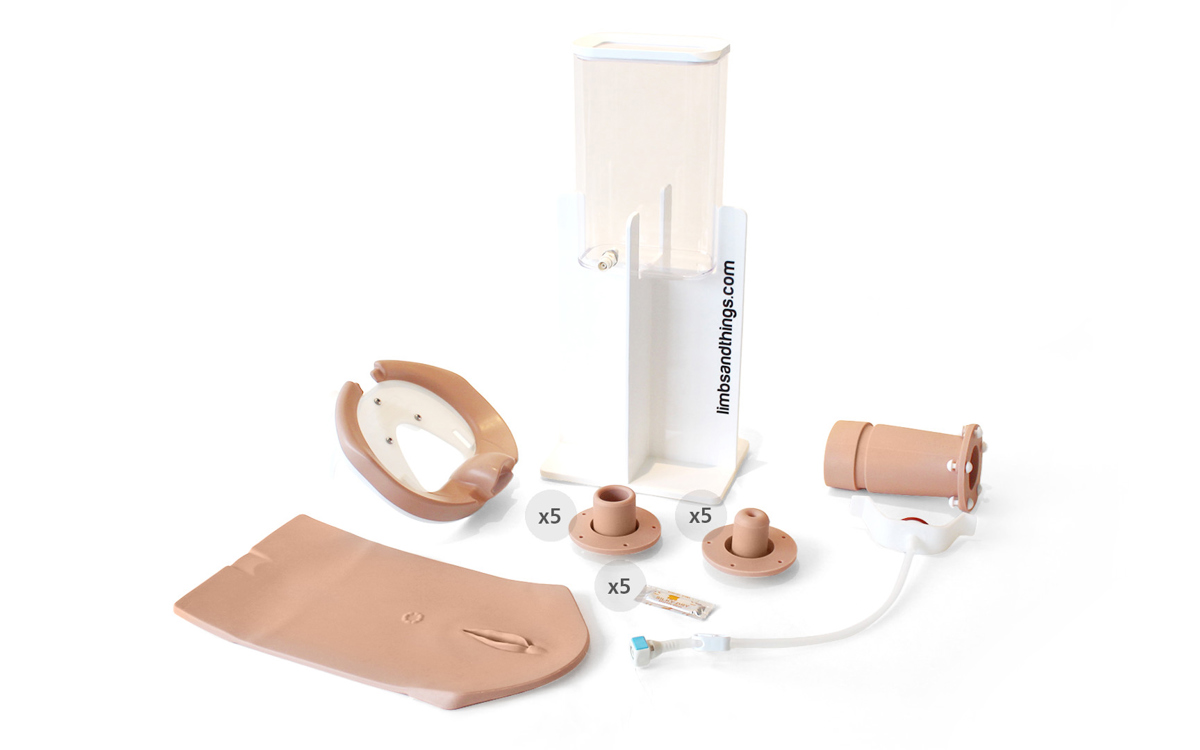
Enhanced Caesarean Section module – suitable for the practice of routine and complex c-sections (this module requires the Standard PROMPT Flex Baby)
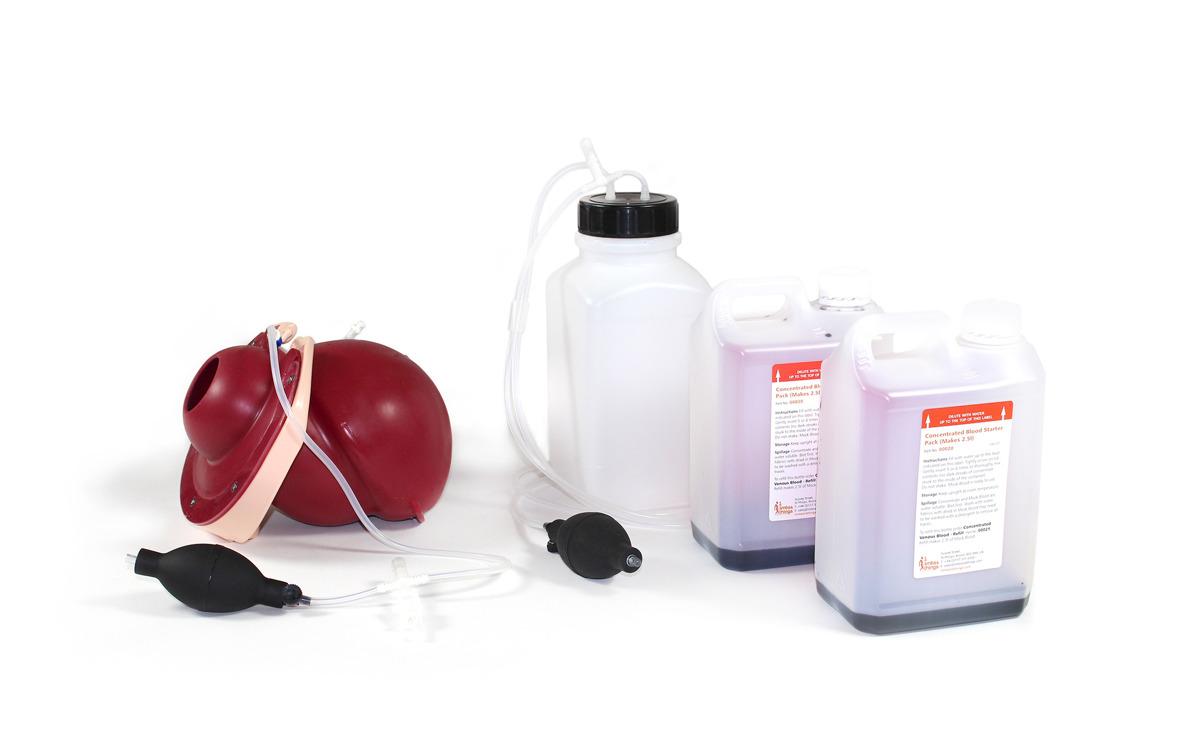
Postpartum Haemorrhage module – give training in the management of postpartum bleeding
Cervical Dilatation & Effacement module – develop assessment and management skills required during latent and active first stages of labour
Compression Suture Uterus – additional module for practising common types of compression sutures and ligating the uterine artery
PPH Kit – this kit includes the postpartum haemorrhage module and compression suture uterus module for postpartum bleeding, compression suture and ligating of the uterine artery
Cervical Cerclage module – practice of elective or emergency cerclage to prevent pre-term birth
Assisted Vaginal Birth module – practice of instrumental delivery procedures
Lower Legs – with articulation, these offer increased realism when used with the birthing mother
Why does the PROMPT birthing trainer have different options/modules?
When developing the PROMPT birthing simulator and modules, Limbs & Things knew it was important to represent a wide range of birthing scenarios, without creating a model that was too complicated to use in training.
The modular design means that one base unit can support 5 modules, and training with 4 independent trainers, as well as being a standalone birthing simulator.
Each of the PROMPT modules and trainers gives a platform dedicated to specific skills, allowing trainees to focus their training and gain confidence in procedures.
Limbs & Things expanded the PROMPT range to include dark skin tone models, an important step to represent the wider population, allowing for more open discussions around ethnic disparities in maternal outcomes, such as those identified by MBRRACE. Their report shows that a woman is three times more likely to die because she has black skin, and two times more likely to die because she’s of Asian descent.
What was the reason for developing the birth simulator with the PROMPT Foundation?
One of Limbs & Things’ core principles is to improve patient outcomes, and this aligns with the PROMPT Maternity Foundation’s aim to reduce preventable harm to mothers and babies in maternity care. Through studies, such as SAFE, they’ve identified key points regarding training in the real world, to help target the needs of maternity patients and staff.
Their expertise & training has led to significant impact across the globe, including:
Maternal outcomes
30% reduction in caesarean sections in Kansas, USA
40% quicker deliveries via emergency caesarean section in Bristol, UK
34% reduction in maternal deaths in Mpilo Hospital, Zimbabwe
26% reduction in maternal deaths in hospitals in the Philippines
Foetal outcomes
100% reduction of permanent bracial plexus injury, Kansas, USA
30% reduction in APGAR scores under 7 at 5 minutes, Kansas, USA
50% reduction of hypoxic brain injury (HIE), Bristol, UK
45% reduction of school-aged cerebral palsy, Bristol, UK
The PROMPT Foundation’s ongoing work in maternity training gives a valuable insight into key skills to support with simulation training, and the needs of medical professionals and patients.
What does this childbirth simulator offer to medical students?
As part of a birth simulation, trainees will get hands-on experience with our realistic labour simulator. Simulated births offer the chance to develop their communication and teamwork skills, as well as practice fundamental skills required during labour.
Will using the PROMPT Flex Birthing Simulator during training improve neonatal outcomes?
A retrospective study undertaken by Southmead Hospital, UK, showed that after the introduction of simulation training, there was improvement seen in the management and outcomes of births complicated by shoulder dystocia. See the skills tab for more information on the study: Improving Neonatal Outcome Through Practical Shoulder Dystocia Training.
Specifications
Weight & Dimensions
Weight: 22.8 kg
Width: 57 cm
Height: 39 cm
Length: 86 cm
Dimensions and weights are reproduced in the form provided by the supplier. Entries labelled “Box” refer to packaging.