
Product overview
Emergency Care Learning Lab

Airway and breathing · Circulation · Casualty care
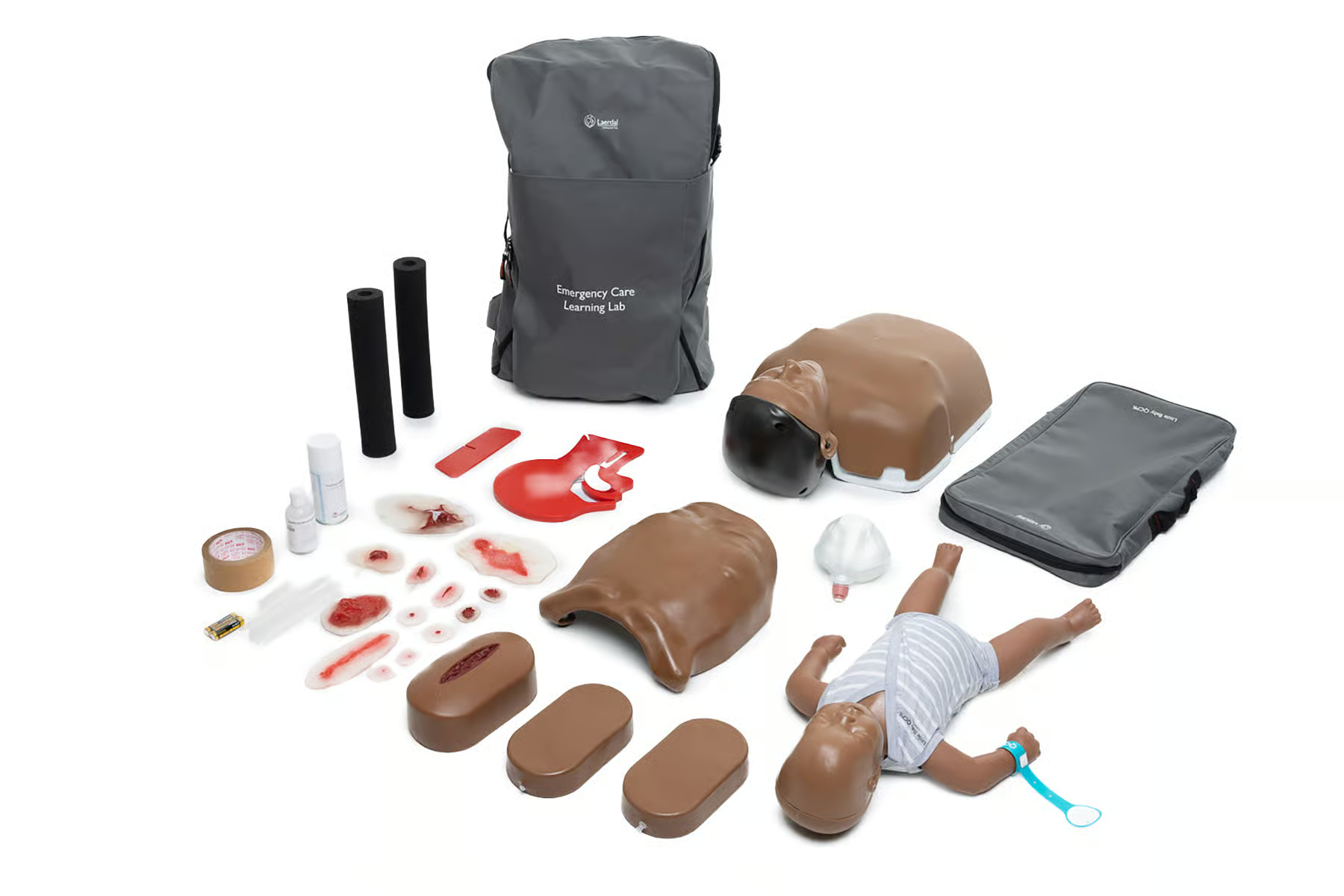
Product photograph. Configuration and accessories may vary.
Product overview
Emergency Care Learning Lab packages thirty-five practical emergency-care skills in a portable backpack. It supports adult and paediatric refresher training outside a dedicated simulation centre, including clinical, pre-hospital and first-response settings.
- Adult and infant manikins support airway, ventilation, oxygen-therapy and CPR practice, with QCPR feedback on compressions and ventilations.
- Components cover oral/nasal airway adjuncts, choking response, suction, needle decompression and open-chest-wound discussion.
- Wound, bleeding and vascular modules support deep packing, tourniquets, cannulation, injury assessment and wound care.
- A uterus trainer adds assessment of firm and atonic uterine states.
- Nested components simplify transport and repeated short sessions; self-healing access modules reduce consumable requirements.
- Locally supplied consumables complement the kit. The supplier suggests at least two kits for an initial Basic Emergency Care class of twenty learners.
Product features
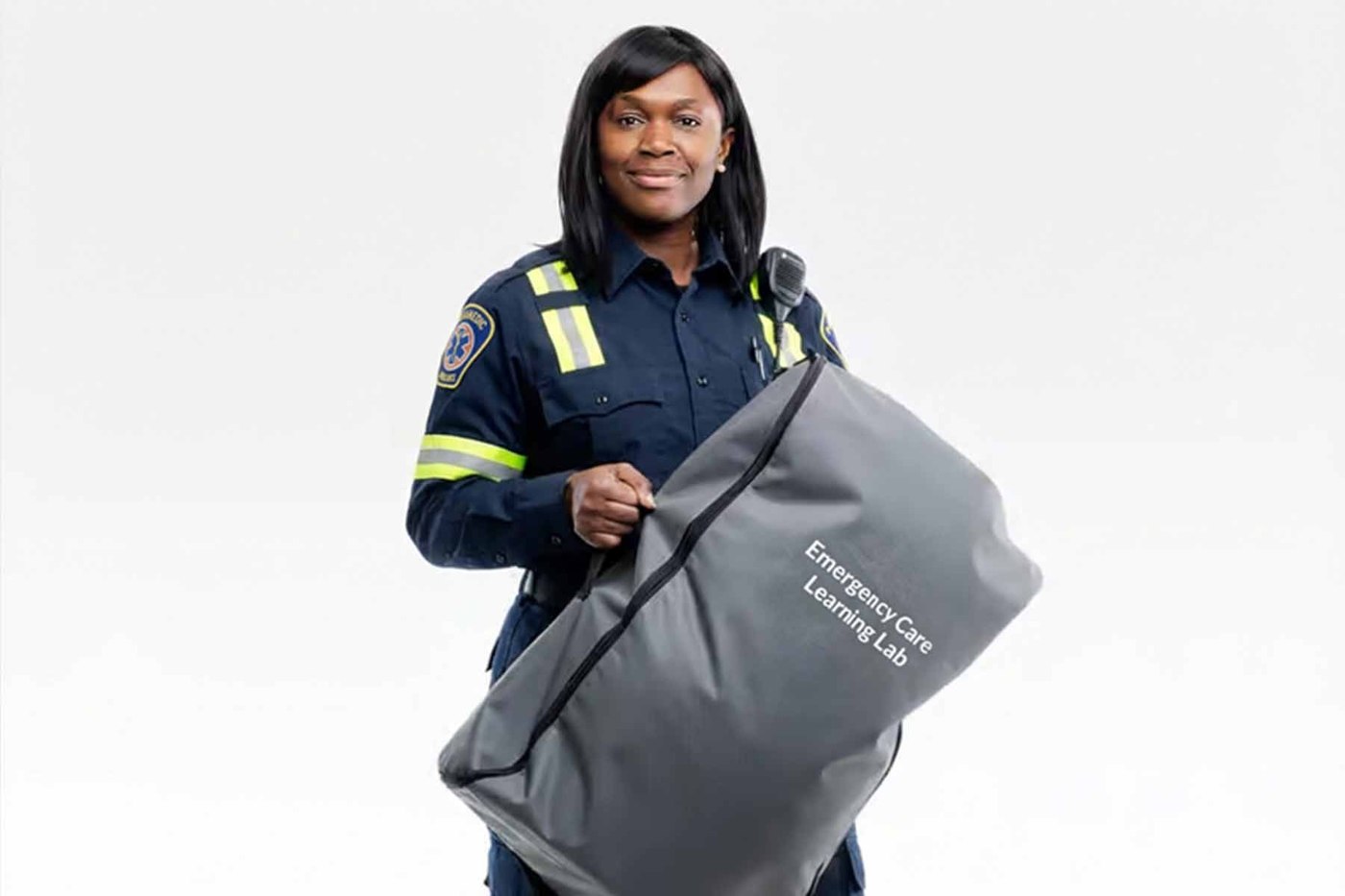
Portable and durable
Training components are nested into a lightweight 9 kg backpack, making it easy to transport. The kit is designed to withstand hundreds of hands-on trainings, simulations, and demonstrations.
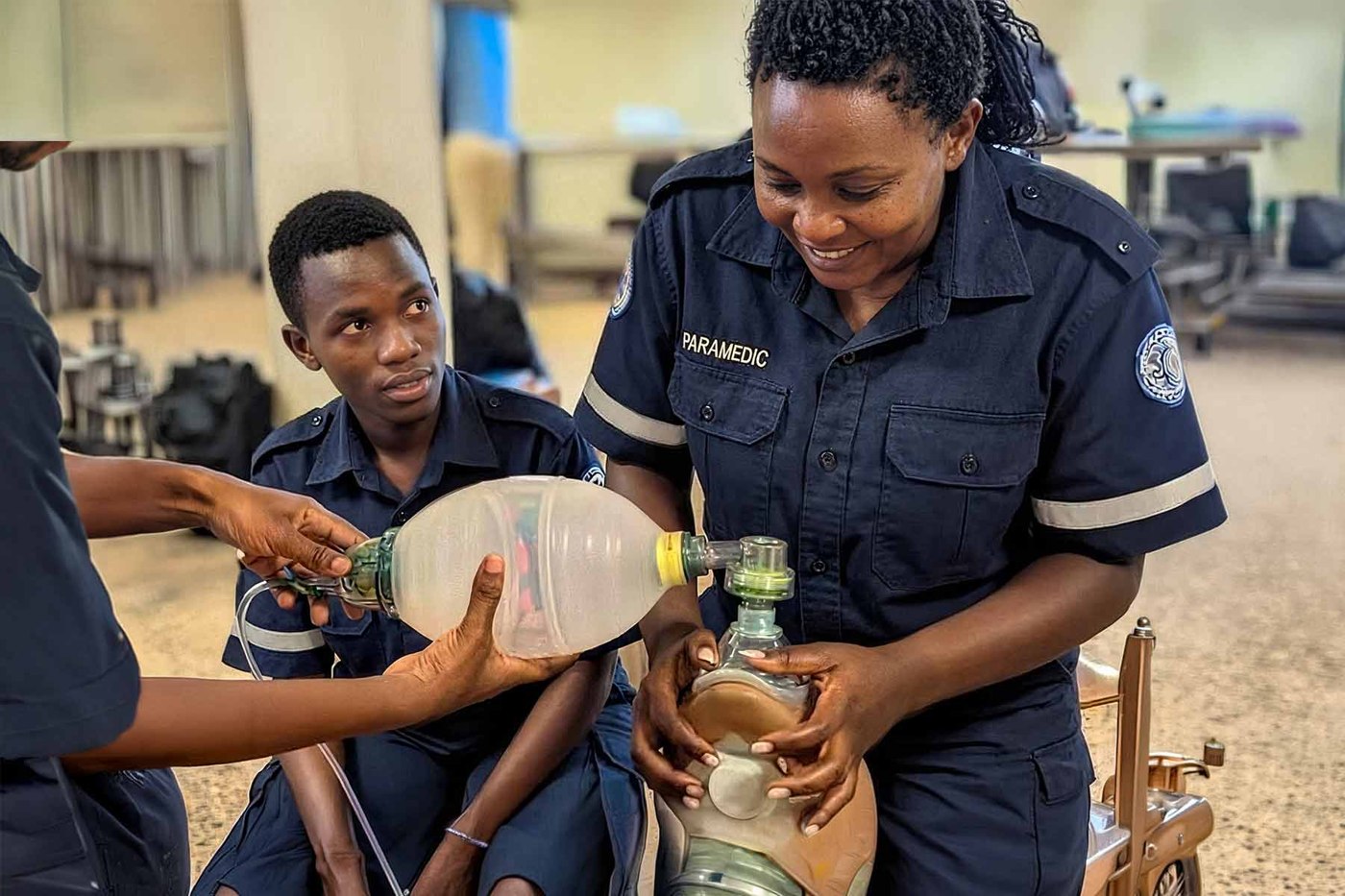
Easy to use
Practice lifesaving skills and realistic scenarios—perfect for team training, skills training, and strengthening emergency preparedness in both clinical and pre-hospital settings.
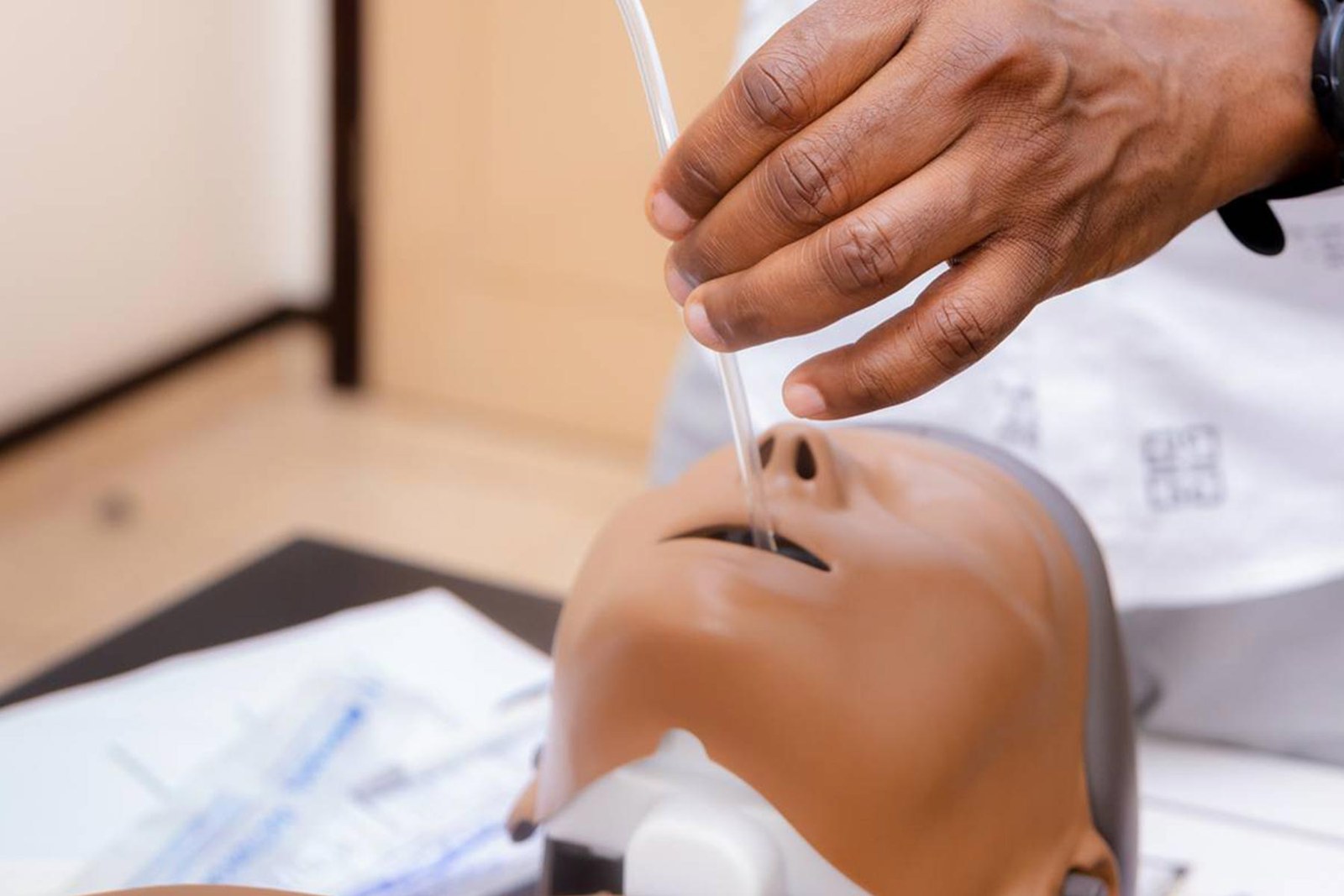
Train Whenever, Wherever
Designed for low-dose, high-frequency refresher training, helping healthcare providers maintain lifesaving skills over time.
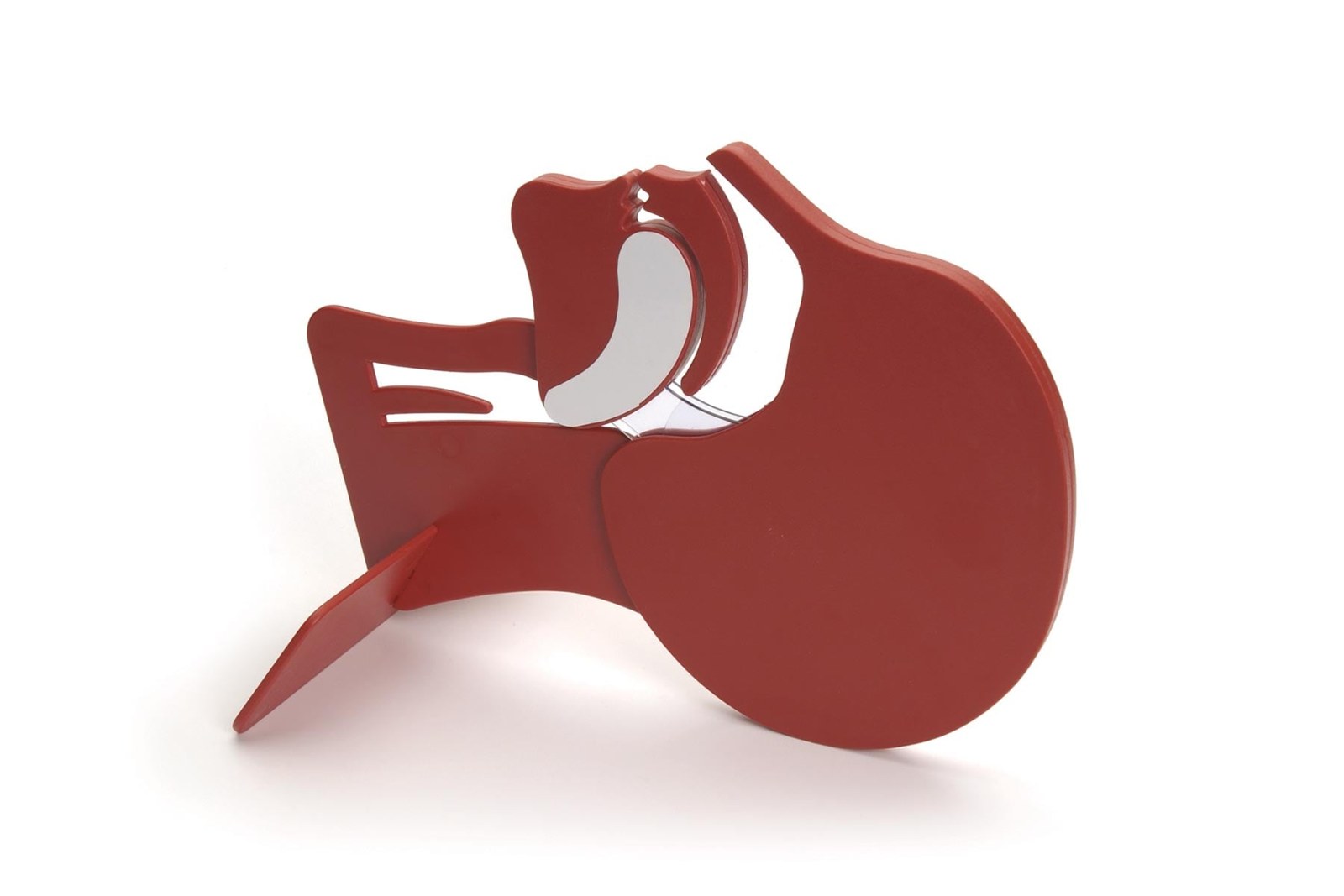
Head Section Model
An anatomical model for visualization of key airway management techniques, including head tilt-chin lift, jaw thrust, and placement of OPA and NPA tubes.
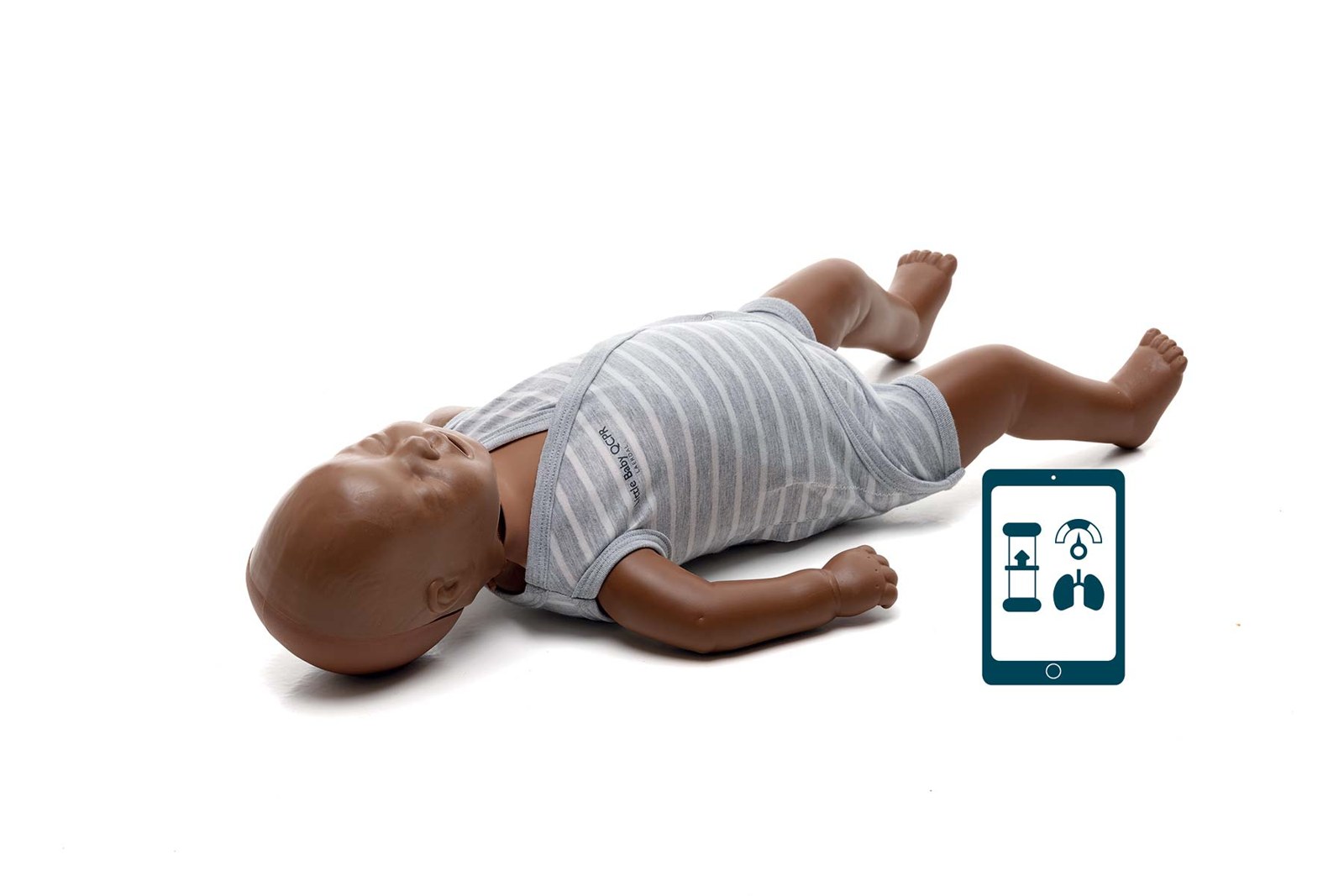
Little Baby QCPR
Baby manikin for practicing airway management, choking response, BVM ventilation, suctioning, oxygen therapy, and CPR.
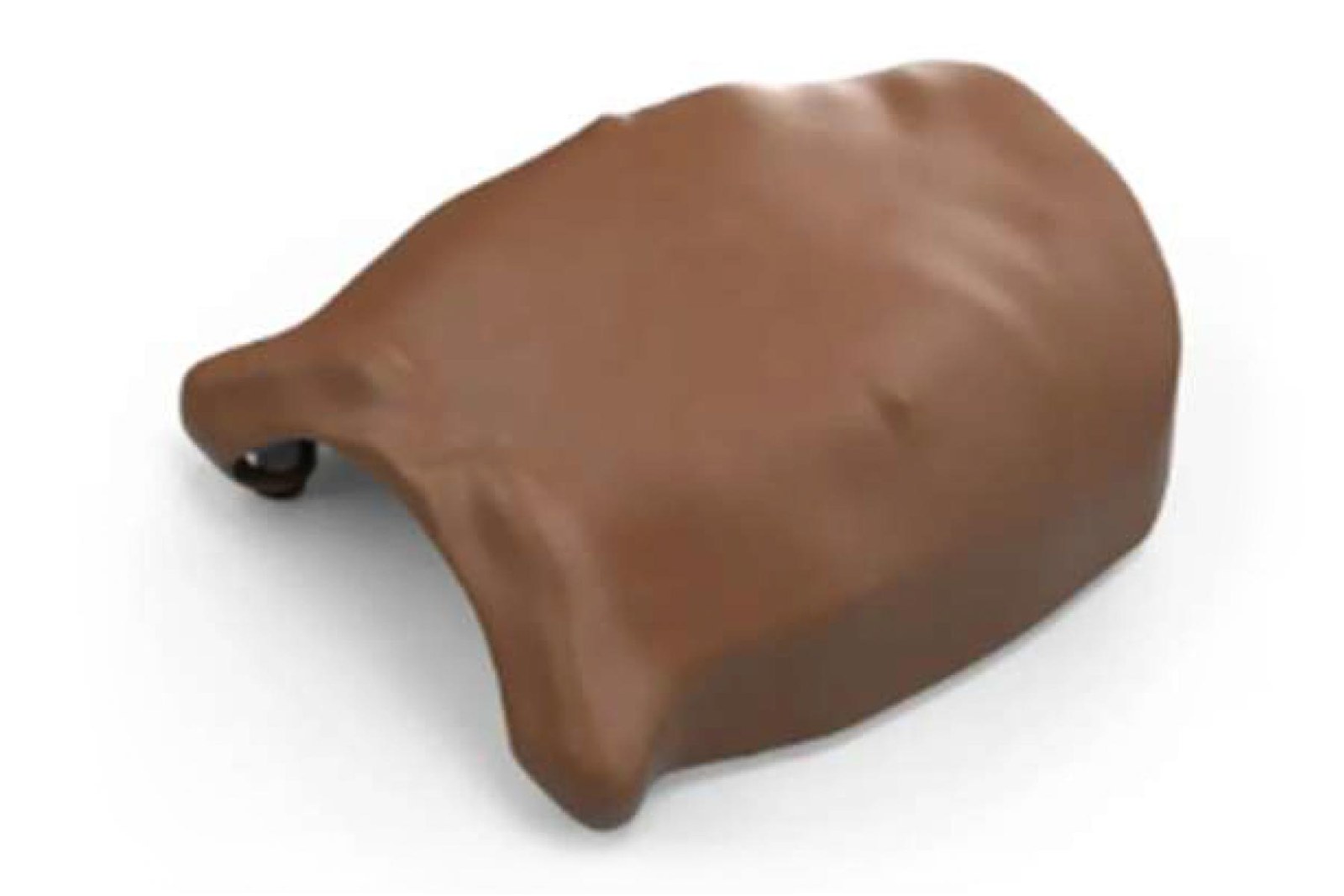
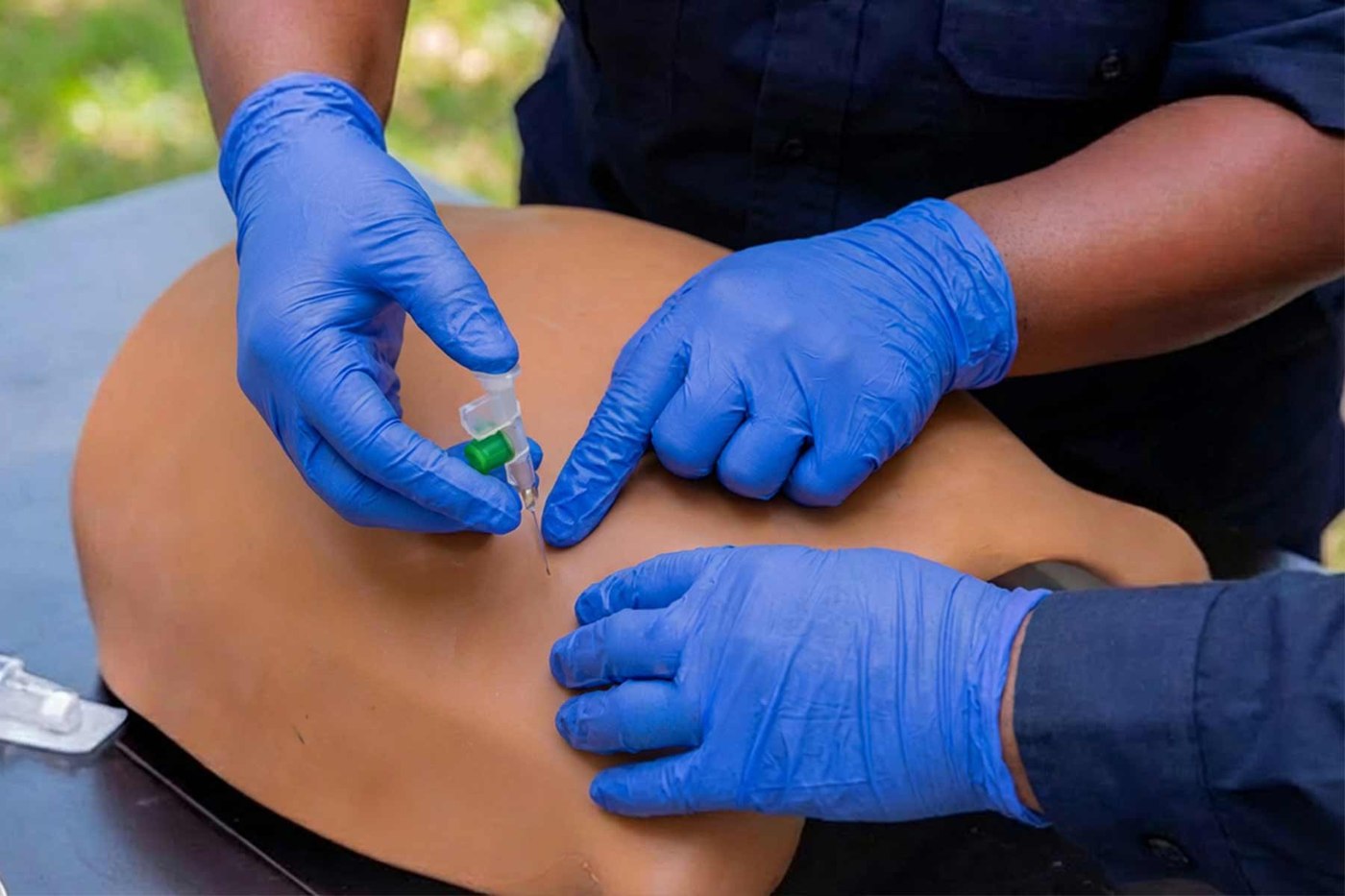
Needle Decompression
Chest model for emergency needle decompression. It can also be used as an anatomical model for management of sucking chest wound.
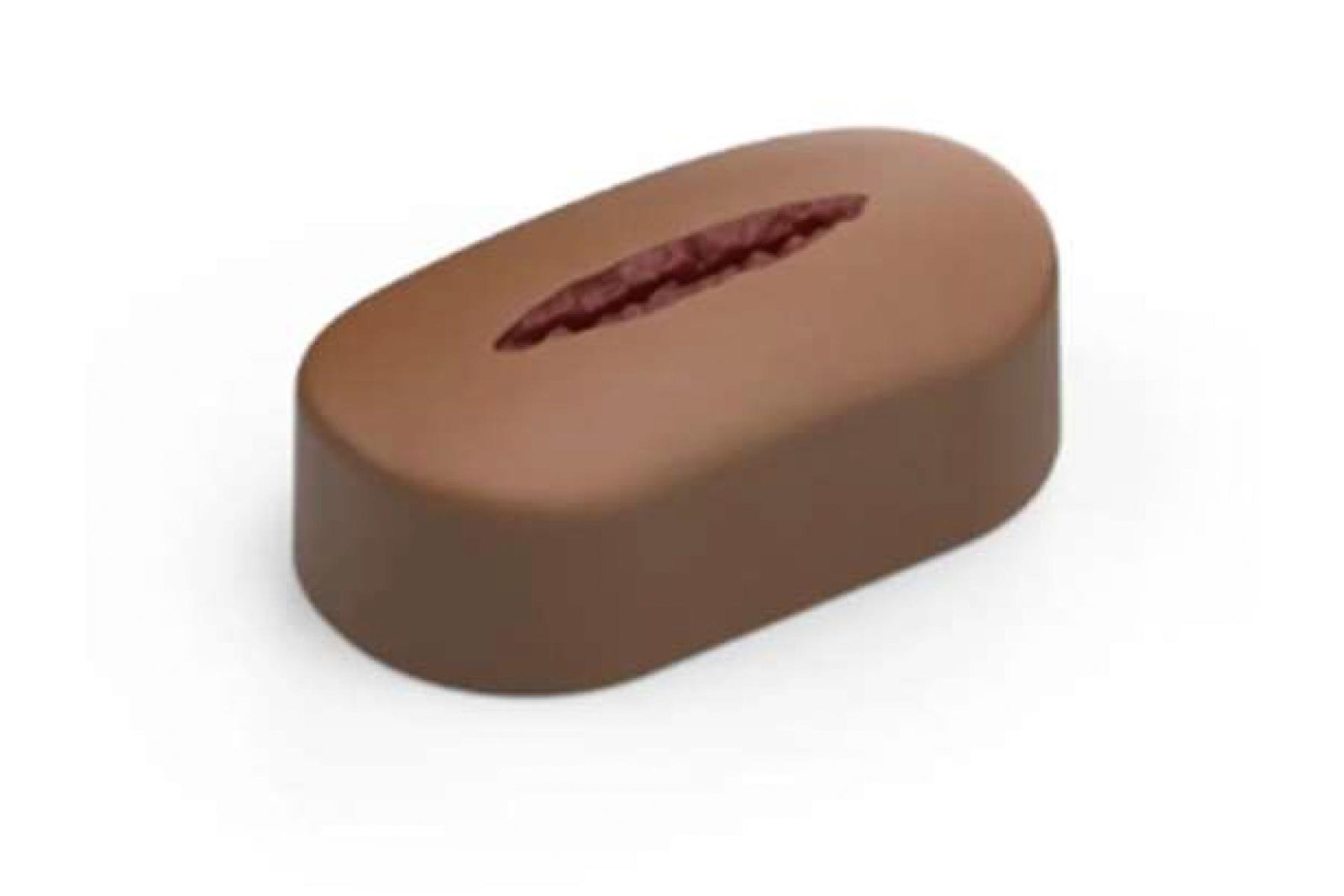
Deep Wound
For practicing deep wound packing.
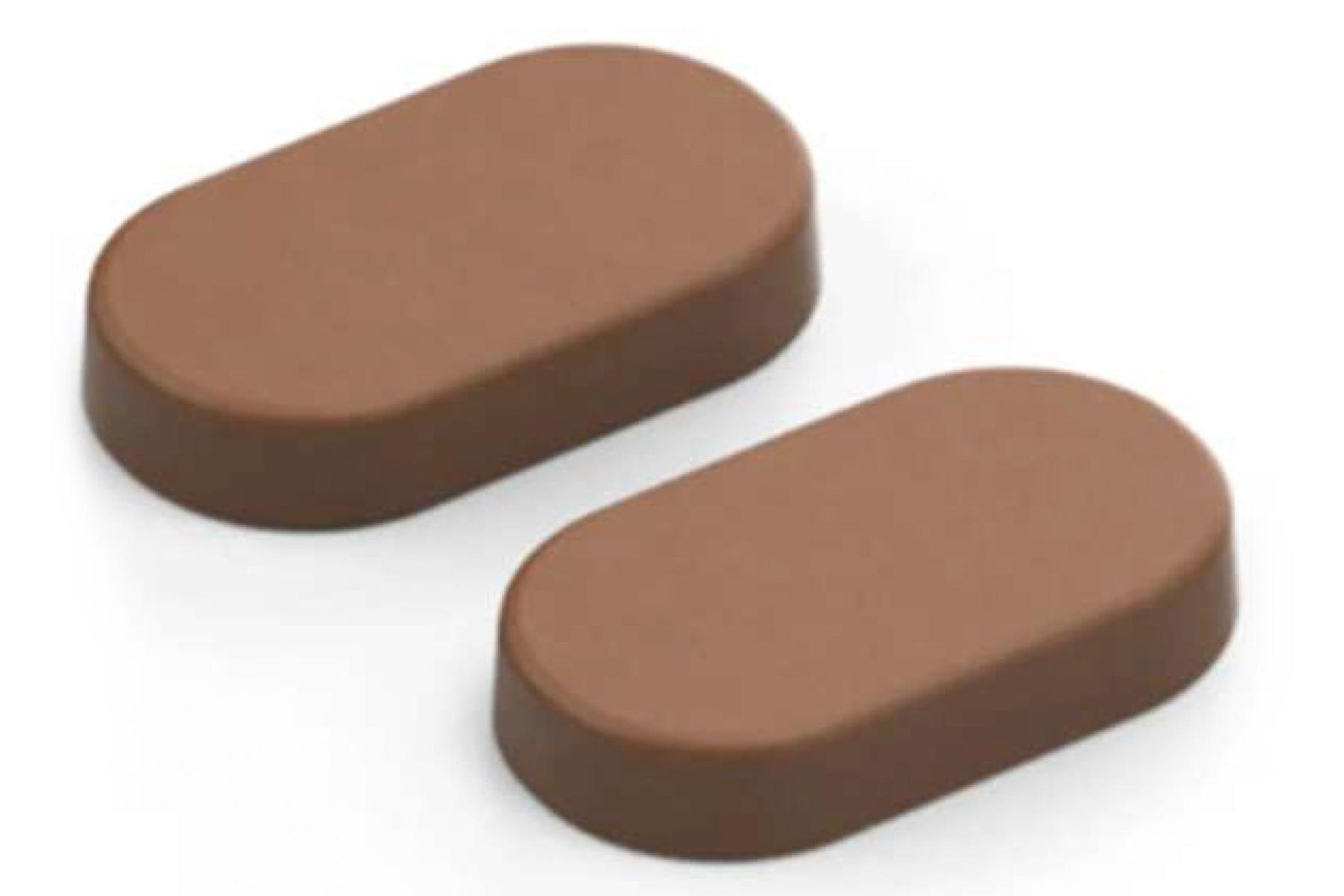
IV Pads
For practicing the insertion of an IV cannula.
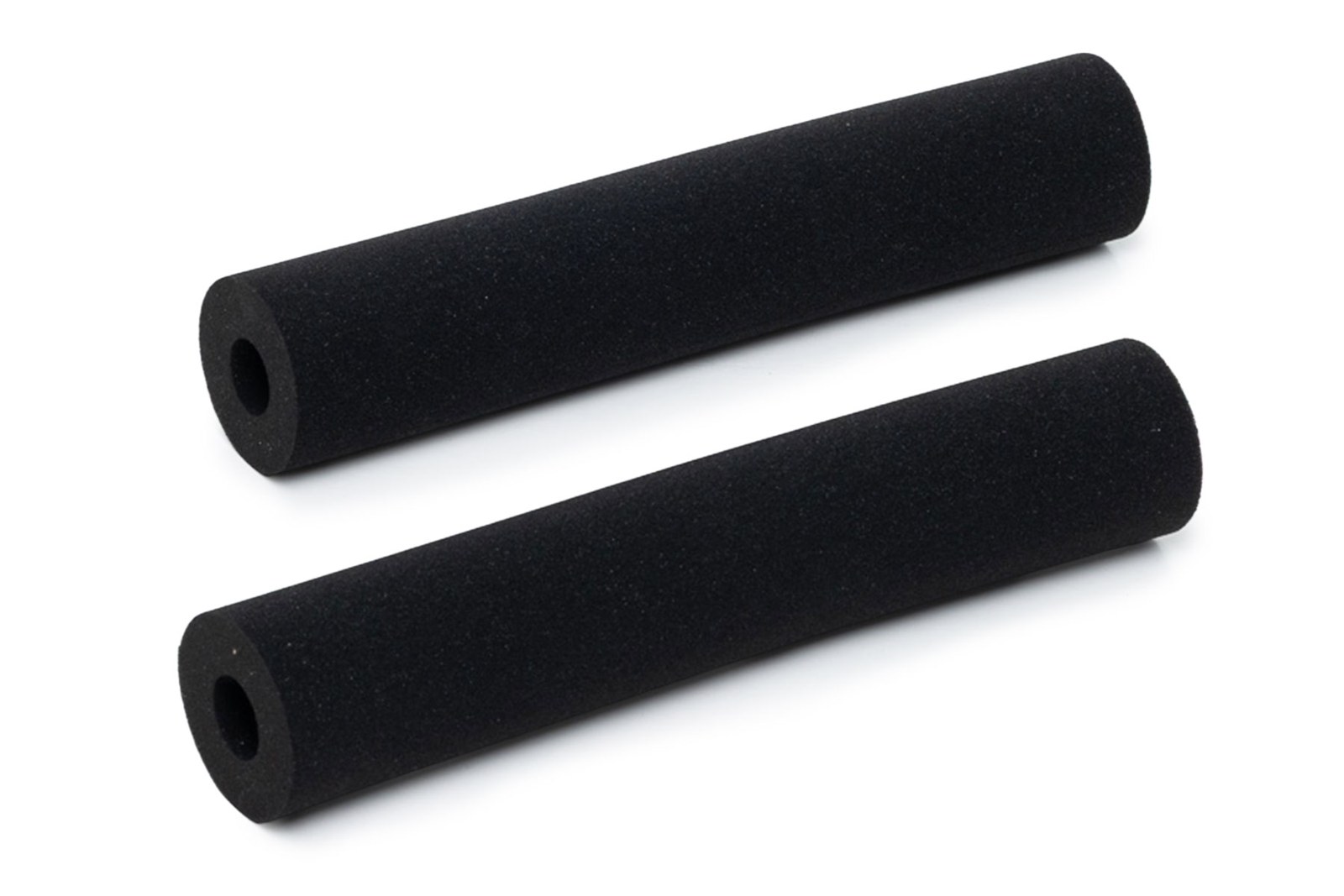
Foam Rolls
For wound demonstration and how to apply a tourniquet.
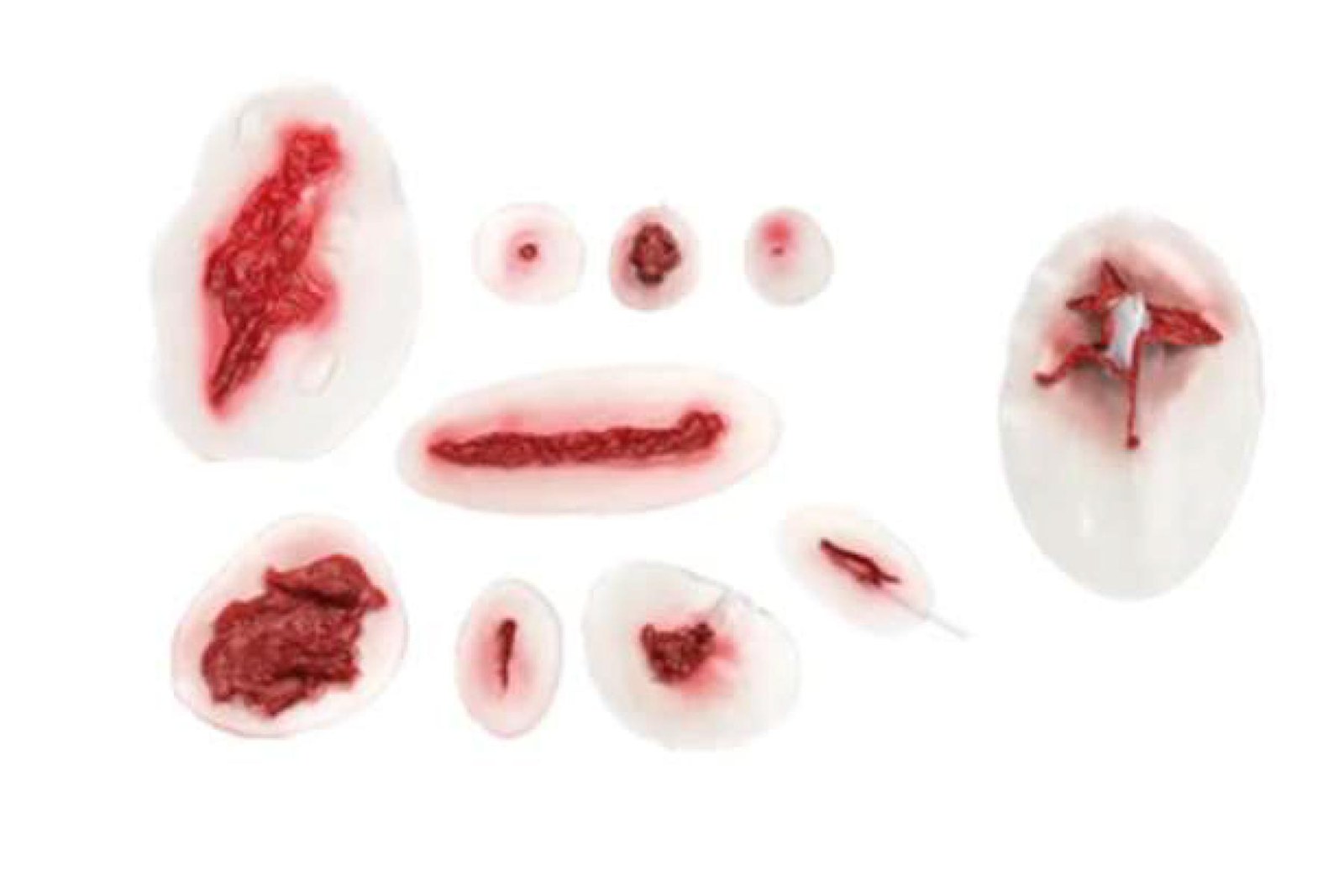
Wounds
Wound management covers burns, lacerations (small and large), gunshot wounds, deep tissue injuries, snake bites, bleeding vessels, and open fractures.
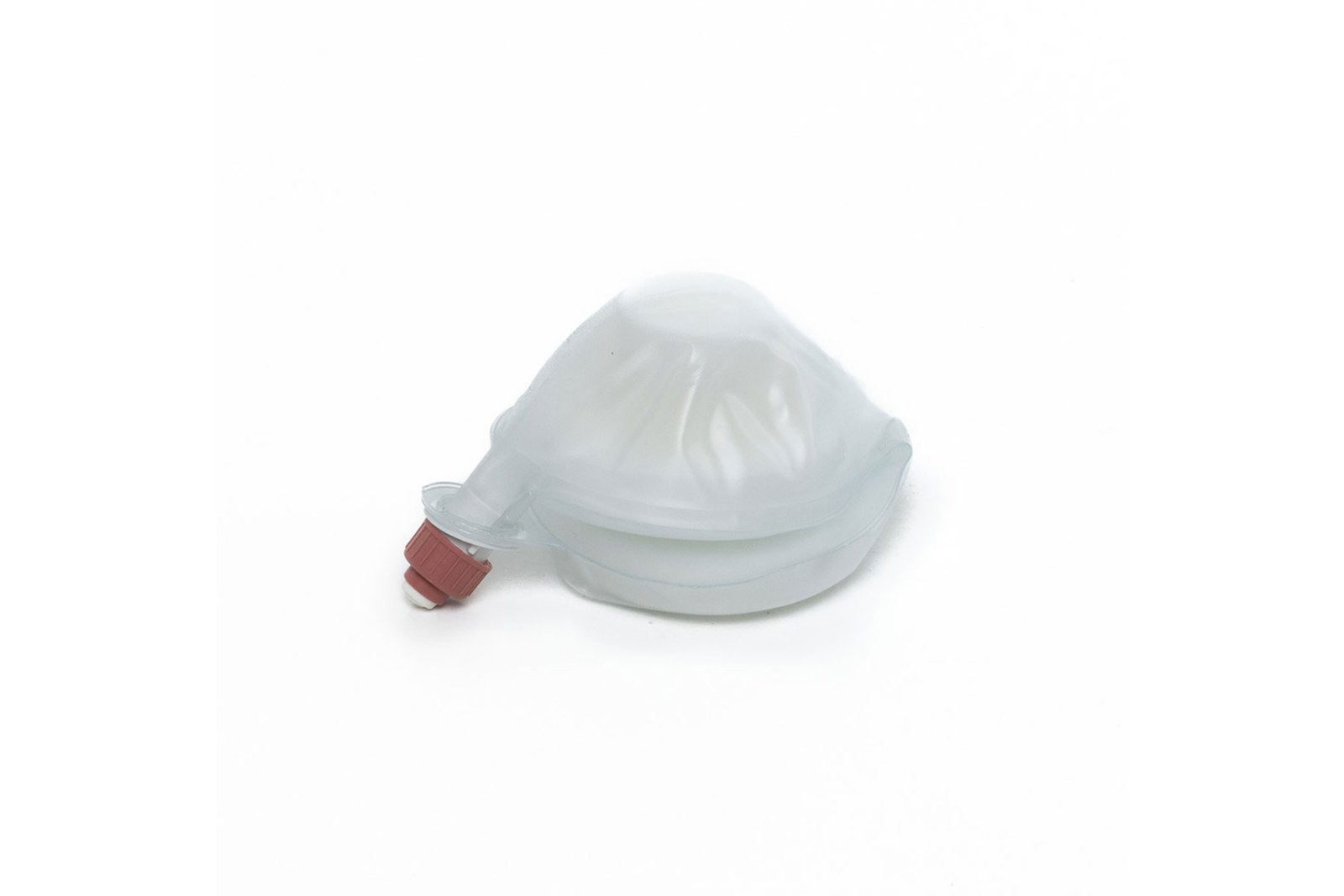
Uterine Massage Trainer
Specifications
Expand or collapse each specification group below. Functions and accessories depend on the selected product configuration; optional items and version requirements are identified where specified.
Product Specification
- Product size (L x W x H) [cm]
- 68×43×39 cm (backpack, excl shipping carton)
- Product weight (kg): 8.5 kg (excl shipping carton)
Product details
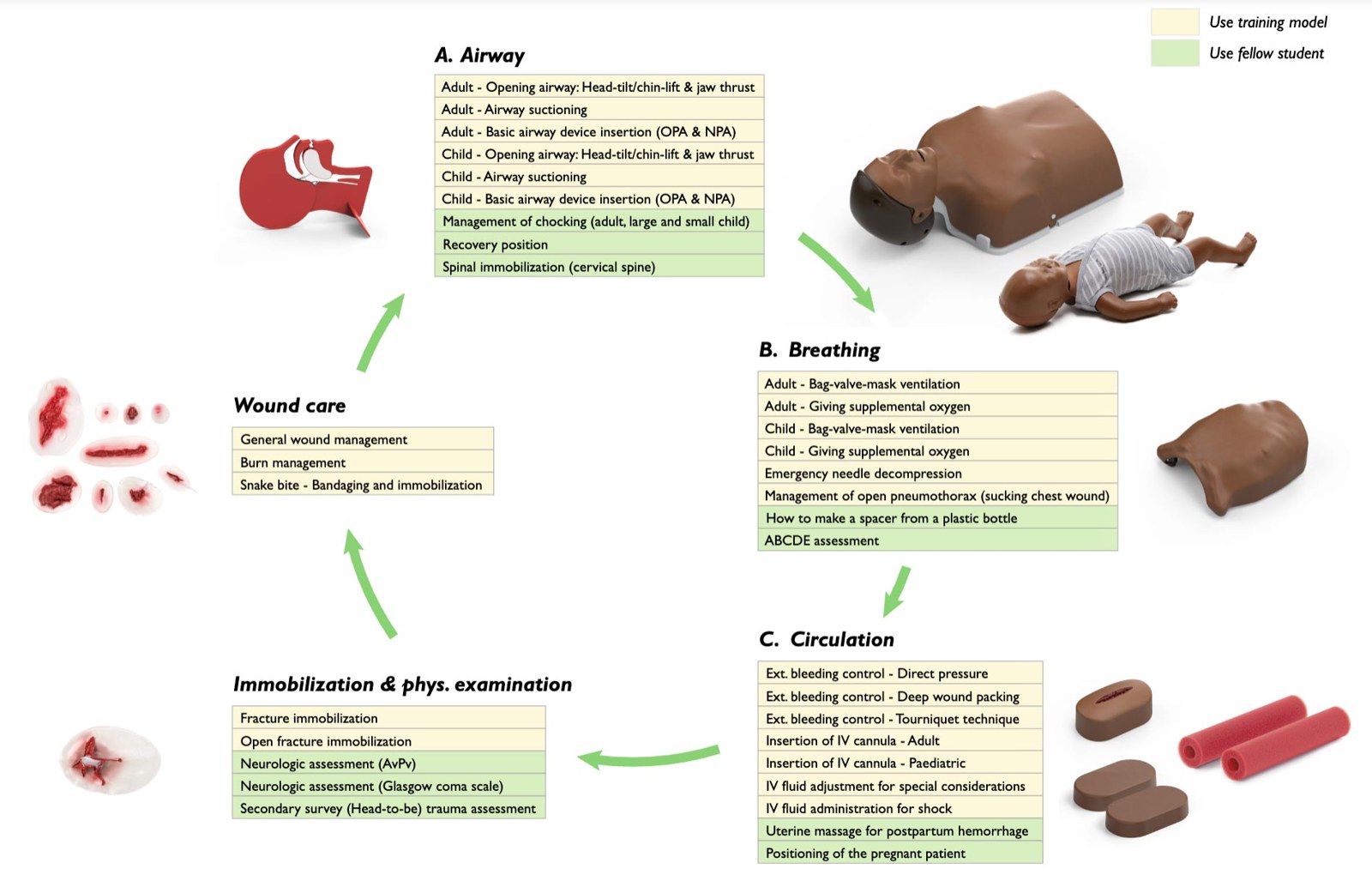
Which of the skills in the Basic Emergency Care program can I train with this kit?
The kit supports practical Basic Emergency Care tasks for which practising on another learner is unsuitable. The linked skills overview distinguishes kit-based tasks from peer practice.
Product Downloads
Use the product-specific support link to find the current manuals and related downloads.
Discuss your product requirements
Contact Survival Technology about the required configuration, compatible accessories and training setup.